
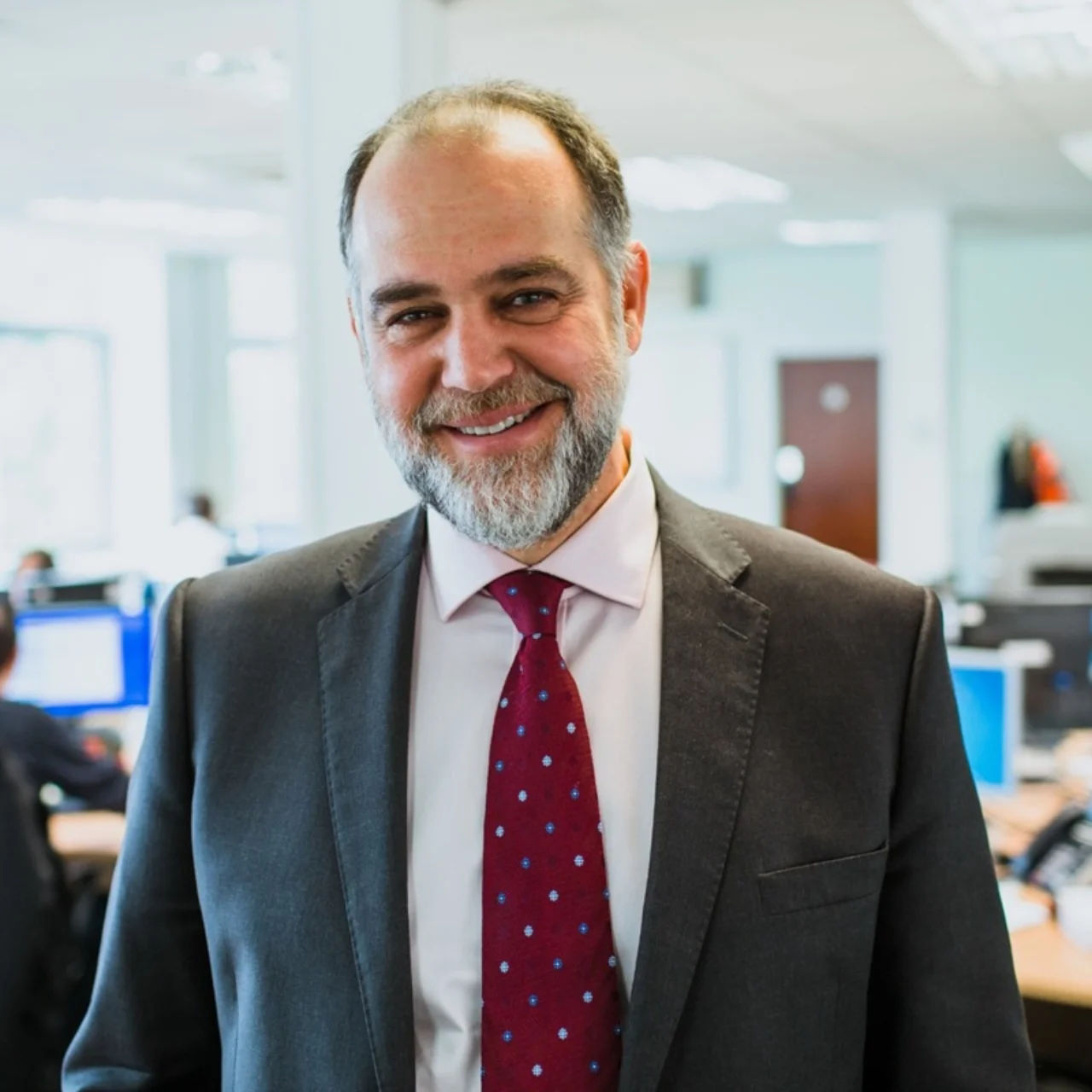
What if ageing is actually a growth story?
People are living longer – and that is changing far more than just healthcare. From housing and finance to travel and technology, businesses are rethinking what older consumers want and need. Pedro Ros, founder of SilverEconomy.com, and Mike Fraser explain why longevity is becoming one of the defining growth stories of our time.
The underestimated economics of longer lives
Pedro, Mike – for anyone hearing the term for the first time: what exactly is the Silver Economy? And why has it so often been overlooked or under-measured?
The Silver Economy is the economic impact of longer lives and ageing populations. People aged 60 and over already account for a much larger share of global consumer spending than many assume – and that gap between demographic share and economic weight is the opportunity. This is not a niche; it is where demand is heading.
This is not a niche; it is where demand is heading.
What we found at the outset is that the Silver Economy was not being measured consistently. Ageing has been framed almost entirely as a cost issue, while the consumption patterns, market segments and demand dynamics created by older adults have gone largely unmeasured. That lack of reliable data is exactly why we created SilverEconomy.com: to establish what should be measured, to build accurate segmentation by life stage and capability, i.e. by the level of constraint individuals may face, and to model the market more systematically.
Silver Economy by the numbers
- 1.2 billion people worldwide are aged 60+
- They represent around 15% of the world’s population
- Yet they already account for approximately 27% of global consumer spending
- SilverEconomy.com estimates the 60+ market at US$ 4.5 trillion in 2026
- The market spans 64 segments
- Expected annual growth to 2031: 6.7%
How Silver Economy market estimates were calculated
All figures in this interview are expressed in US dollars and are based on data from UN World Population Prospects, World Data Lab, global and regional industry sources, and SilverEconomy.com's own analysis and market estimates. Growth figures are shown in real terms, excluding inflation.
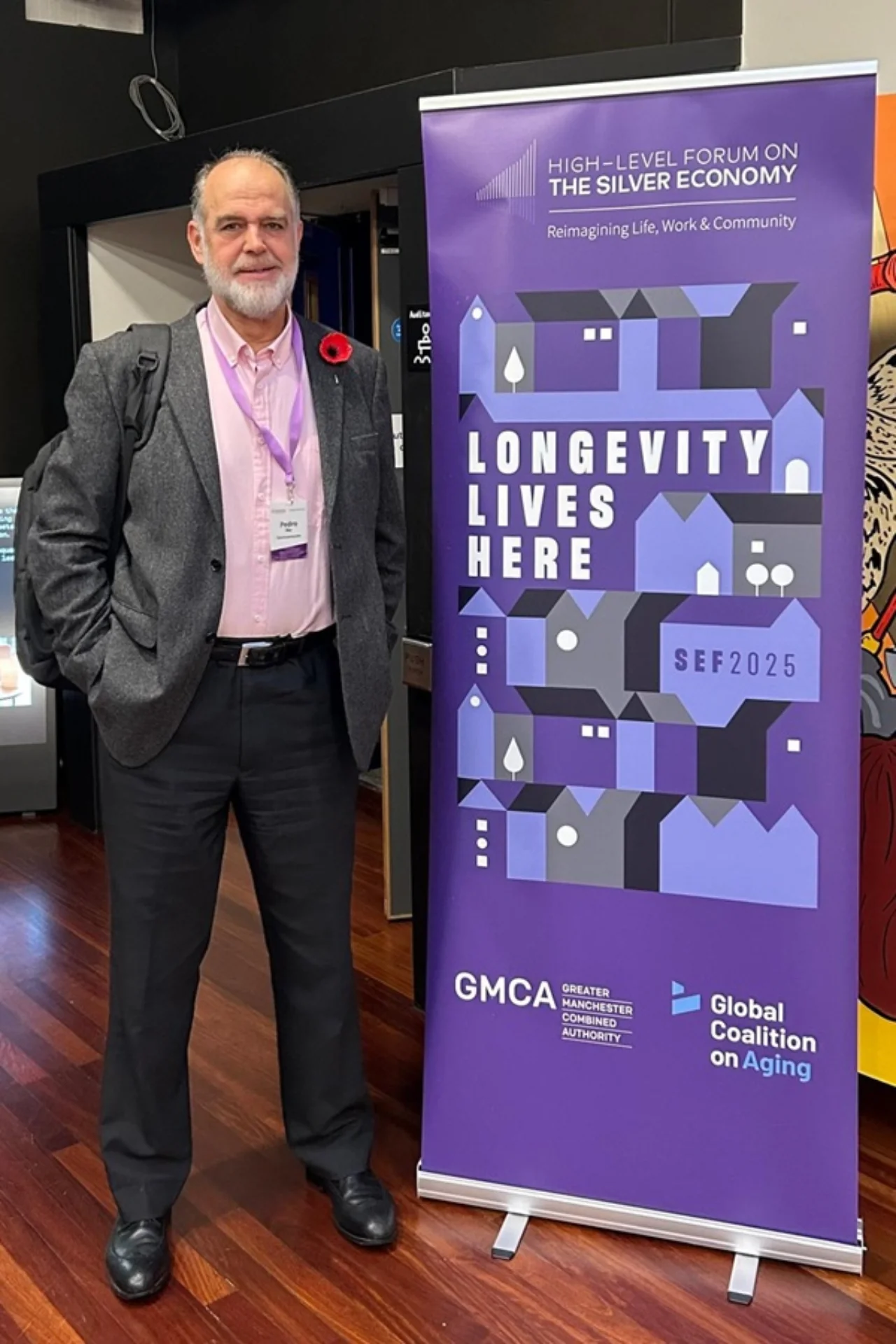
Where is the Silver Economy accelerating fastest right now – and what’s the single most transferable lesson from those frontrunner markets?
Growth across the Silver Economy varies widely, but it is accelerating fastest where ageing populations, rising incomes, digital adoption and more varied later-life needs come together.
The single most transferable lesson from frontrunner markets is that older adults should be treated as diversified, digitally reachable customers, not as a welfare cost centre. The markets that scale fastest are the ones that integrate senior-focused offerings into mainstream financial, housing, tourism and education systems, rather than building siloed elderly services. By contrast, markets that remain fragmented or depend on outdated institutional models tend to stall.
What are the fastest-growing markets and segments?
At market level
- AgeTech: +10.4%
- Lifelong learning: +8.8%
- Longevity medicine: +7.6%
- Integrated retirement communities (IRC): +7.3%
At segment level
- Smart homes and ambient assisted living: +17%
- Senior financial fraud protection and safeguarding: +15%
- Regenerative medicine and cell therapies: +14%
- Wearables and health monitoring devices: +14%
Which regions lead the Silver Economy?
- United States: around 39% of total Silver Economy spend, growth at roughly 6%
- European Union: around 20% of the market, growth at about 5%
- China: around 8% of the total, but the fastest-growing major region at approximately 12%
- Asia-Pacific overall: roughly 25% of global 60+ consumer spend by 2026
The markets that scale fastest are the ones that integrate senior-focused offerings into mainstream financial, housing, tourism and education systems, rather than building siloed elderly services.
Which industries is longevity structurally reshaping – and where do you see value migrating to in the next few years?
Several industries are being reshaped structurally by longevity, not simply served by senior products. Across the markets we track, the shift is most visible in housing, health, finance and tourism.
Housing and communities are moving toward integrated retirement communities, assisted living, home-based care platforms and smart-home-enabled support. Health is moving toward prevention, longevity medicine, remote monitoring and coordinated care pathways. Longevity finance is expanding into decumulation advice, later-life planning, fraud protection and housing-linked financial solutions. Senior tourism, meanwhile, is growing through accessible travel, long-stay holidays and care-enabled experiences.
Over the next few years, value will continue to migrate from hospital to home, from product to platform, and from ownership to access.
Where is value moving?
- From hospital to home
through home care, telehealth, remote monitoring, senior transportation and home adaptations - From product to platform
through care coordination, digital learning, senior-friendly devices and safety platforms - From ownership to access
as longer lives require more flexible commitment and financing models
Which sectors are growing fastest in the Silver Economy?
- Longevity Health: projected 60+ market of US$ 851.2 billion in 2026, growing 7.3% annually
- Senior tourism: already a US$ 797.4 billion market, growing 6.9% annually
Who is already getting it right? Which companies or sectors have truly adapted early, and what did they do differently?
The companies that have moved earliest and most effectively stand out in three areas: strategy, product and go-to-market.
On strategy, the early movers are building around life stage, outcomes and ecosystems. They segment by life stage and capability, and design offers that let people stay in one place longer, minimise financial shocks and avoid hard transitions.
On product, they build integrated packages that bundle hardware, software and services, rather than selling isolated components and expecting older adults to assemble themselves.
On go-to-market, the most effective businesses distribute through three coordinated channels simultaneously: Business-to-Business, Direct-to-Consumer and public-system cooperation. The common thread is that they embed themselves into everyday life, rather than positioning themselves as a separate “senior” channel.
Where are new longevity opportunities emerging?
Companies succeeding in the Silver Economy
Keppel / Sindora Living
In China, Sindora Living combines senior apartments, on-site care and intelligent chronic disease management into a long-term “home for life” model. The business model is based on recurring services and partnerships rather than one-off sales.
Apple Watch
Apple here combines fall detection, heart rhythm alerts, emergency SOS, medication reminders and activity coaching in one mainstream device and service layer. It addresses age-related risks without labelling the product as a “senior” device.
Tunstall Group
In the UK, Tunstall distributes telecare and telehealth through local authorities, the NHS, housing and care providers, while also reaching households directly. The platform therefore works across public, institutional and consumer channels at the same time.
Beyond the obvious: which new innovation fields emerge when people live longer – and who is responding most intelligently so far?
Longer lives do not simply require more of what medicine already provides. They open distinct unmet needs that existing industry structures were not built to fill.
Three fields stand out in particular. Longevity medicine and therapeutics is emerging around prevention, biological age diagnostics, regenerative approaches, movement medicine and cognitive health. Lifelong learning is becoming more important as longer lives increase the need for continued mental engagement, reskilling, creative education and digital participation. And AgeTech continues to expand as the enabling layer across safety, mobility, telehealth, wearables, senior devices, fraud protection and smart-home infrastructure.
The common thread is that these are not marginal add-ons. They reflect the fact that longer lives create new patterns of demand which traditional sector boundaries were not designed to serve.
What are the emerging opportunity zones in the Silver Economy?
- Longevity medicine and therapeutics: US$ 162.3 billion market for the 60+ age group in 2026, growing 7.6% annually
- Lifelong learning: US$ 149.9 billion, growing 8.8% annually
- AgeTech: US$ 286.4 billion, growing 10.4% annually
Older consumers have growing spending power – but what does good product design actually look like here? And where do companies still get it fundamentally wrong?
The companies adapting well are the ones designing around capabilities and contexts, not age as a number. They take seriously the range of constraints older adults may navigate, such as vision, hearing, mobility, cognition, energy levels and social settings, and treat them as design briefs rather than inconveniences.
In practice, that means high-contrast interfaces, larger font defaults, flexible channels such as phone, chat and in-branch, simplicity without infantilising, and hybrid human-digital service where trust and complexity matter most. It also means recognising older adults as co-creators and primary payers of the products they use, not patients to be managed.
The basic test is straightforward: would a fit, financially independent 68-year-old feel respected using this product, or talked down to? The answer usually tells you whether the design is working.
What do companies still get wrong about older consumers?
- Grey-washing: repackaging existing products with ageist imagery while leaving interfaces, terms and support inaccessible
- Over-medicalising later life: treating the entire 60+ market as diagnosis-led and ignoring demand in travel, learning, entertainment, home improvement and financial planning
- Designing only for crisis points: focusing on hospitalisation, bereavement or dependency rather than active, preventive and experience-led phases of later life
- Assuming digital exclusion: older adults are using digital tools; the failure is often that companies are not building the right ones
Data, platforms and AI can supercharge Silver Economy strategies – but where’s the line between personalisation and manipulation, and how do you avoid bias or discrimination at scale?
Data, platforms and AI are central to scaling Silver Economy models. They already underpin telehealth, remote monitoring, smart homes, senior-friendly fintech, fraud protection, personalised learning and social connectivity.
The line between personalisation and manipulation is crossed when people cannot easily understand or control how data shapes offers, recommendations or pricing, especially in finance, insurance and health. It is also crossed when algorithms amplify bias, exclude older adults, or expose them to high-pressure selling and scams.
To avoid that, age fairness has to be built in from the start. Older adults’ health, financial, housing and social data should be treated as especially sensitive. Consent, explanation and recourse need to work for cognitive and sensory diversity. And AI should be used to surface eligibility, support and protection, not to optimise extraction.
The real challenge for leaders is not just to scale these innovations, but to do so in a way that is fair, trusted and sustainable.
Looking ahead, is there an uncomfortable downside leaders should prepare for as longevity innovation goes mainstream?
The uncomfortable downside is that longevity innovation could become a privilege rather than a broad social gain. If the best care, housing and technology are available mainly to wealthier groups in wealthier regions, existing inequalities will only deepen.
There are other risks, too. If healthcare systems, housing and digital infrastructure do not keep pace with demand, strain will grow quickly. And as technology becomes more embedded in later life, there is a real risk of over-surveillance, loss of autonomy and greater exposure to cyber threats.
There is also a wider societal question. If policy and spending are seen to benefit older adults at the expense of younger generations, this could create resistance rather than support.
So the real challenge for leaders is not just to scale these innovations, but to do so in a way that is fair, trusted and sustainable.
This page was published in June 2026.
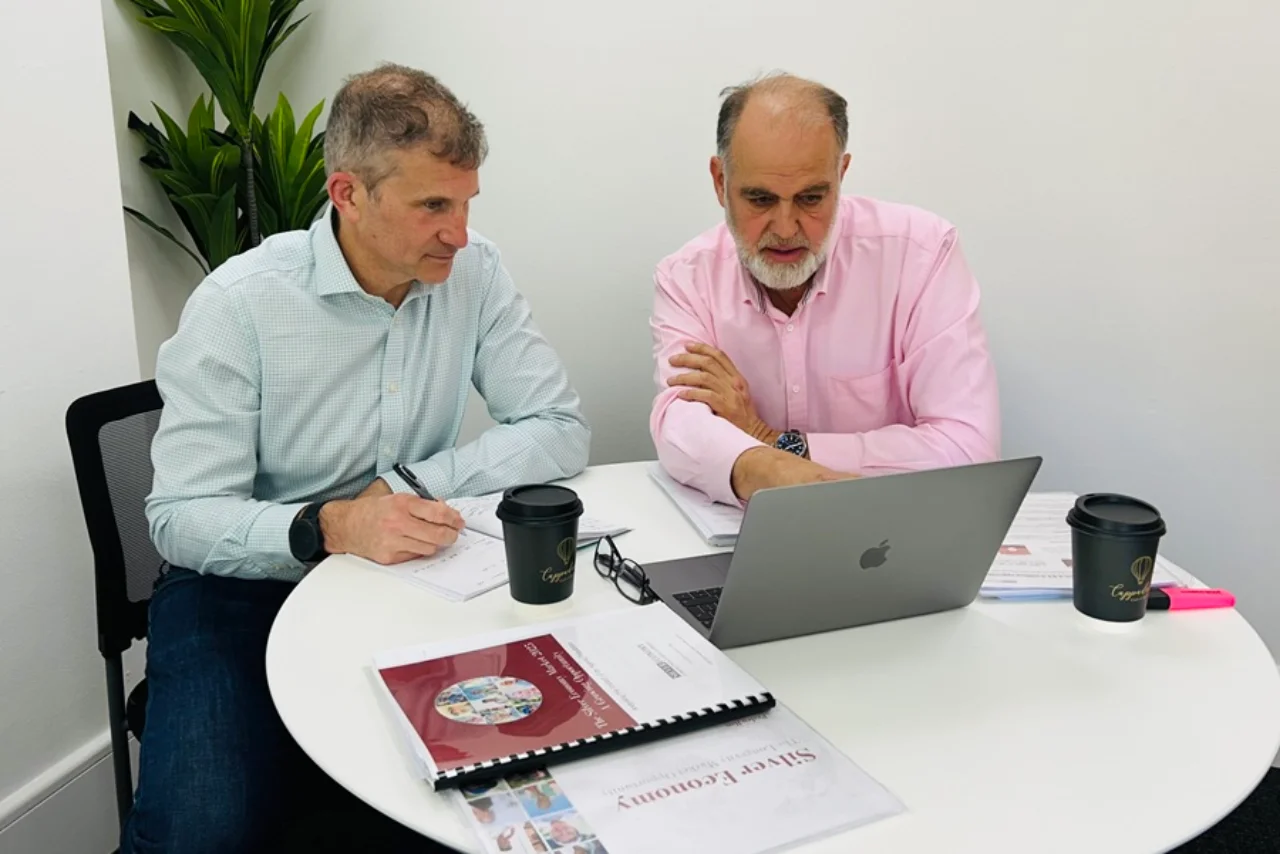
About Pedro Ros
Pedro is the Founder of SilverEconomy.com, a leading research centre and expert hub on longevity trends and the business impact of the Silver Generation. He has extensive international experience in market intelligence, having served as Global CEO of TNS (Kantar, WPP plc) and later CEO of Wilmington plc, a global B2B information and publishing group. Today, he focuses on providing data-driven insights that help organisations understand the opportunities created by ageing populations.
About Mike Fraser
Mike is Head of Insights and Operations at SilverEconomy.com, turning complex demographic and economic data into strategic market intelligence. He has deep expertise in technology, data and operations, with previous CTO and director of technology roles at NMR plc, Wilmington plc and a division of RELX plc.
Maike Tippmann
… once dismissed longevity as an overhyped buzzword. The deeper she delved into it, the clearer it became that it matters both personally and economically – with far-reaching implications for consumer markets worldwide.
Recommended content
Entrepreneurial Success | Photo Story
“First, we had to explain to people that this is food” “First, we had to explain to people that this is food”
When Noel Bollmann and Benjamin Kremer founded yfood in 2017 they had to explain their signature product a lot. Noel Bollmann about future plans and the expansion to the US.

Responsible Growth | Outlook
Saving energy with networks Saving energy with networks
Smart buildings, connected infrastructure and intelligent data: Rainer Haueis from Siemens Smart Infrastructure explains how digital technology is turning buildings into autonomous actors.
Saving energy with networks Becoming more efficient – together
Digital Disruption | Interview
Building Europe’s way into space – The Exploration Company’s sustainable approach Europe’s way into space – The Exploration Company’s sustainable approach
Founder Hélène Huby reveals how The Exploration Company’s reusable, launcher‑agnostic capsule and open approach could give Europe cleaner and cheaper access to space.
Building Europe’s way into space – The Exploration Company’s sustainable approach The end of space debris?