

Longer lives are changing how we plan for retirement
From 19th-century welfare funds to modern mutual funds, the tools for retirement have changed, but the goal remains the same: security. Learn how longer lives have reshaped financial planning, making it a process that starts earlier and extends further than ever before.
Longer lives are reshaping one of the most basic questions in personal finance: how can people secure their financial future over a retirement that may last decades? As public pension systems come under pressure in many ageing societies, more people are supplementing state and occupational pensions with private provision. How and when they do so depends not only on income and individual circumstances, but also on trust in public institutions, economic stability and the wider political environment.
The story is not simply one of new financial products replacing old ones. It is a gradual broadening of responsibility and time horizon: from occupational welfare funds and saving books to securities, investment funds and financial planning that begins earlier and extends further into later life.
From welfare funds to retirement provision
The first forms of occupational retirement provision emerged in the first half of the nineteenth century. What began as general welfare funds gradually evolved into pension schemes that offered financial support in cases of incapacity for work and, later, in old age.
Many companies established their own pension funds as part of this development. At Deutsche Bank, a pension and welfare fund has existed since 1876 – an early example of how employers began to support long-term financial security for their staff.

How savings books made long-term saving more accessible
Alongside occupational pensions, traditional savings products played an important role in helping build financial reserves. Savings books had been part of everyday financial life since the nineteenth century, especially through savings banks and cooperative banks.
The Deutsche Bank savings book introduced in 1929 illustrates a broader shift towards standardised and accessible saving. Its appeal lay in its simplicity: regular deposits, transparent mechanisms and broad availability. Although savings books have become less important in recent decades, the underlying principle remains relevant. Regular saving – whether through savings plans, standing orders or automated deposits – is still a foundation of long-term wealth accumulation.

The shift from saving to investing
After the Second World War, wealth accumulation and retirement planning became more closely linked to capital markets. One objective was to make securities accessible to a wider population, not only to experienced or wealthy investors.
The founding of DWS in 1956 marked an important step in this development. Mutual funds such as Investa built on the familiar idea of collective saving while offering diversification. That made capital market participation possible for smaller investors and helped reduce the risks associated with holding individual securities.
Over time, private and market-based forms of retirement provision gained importance alongside public pension systems. Securities and investment funds became a more central part of how people planned for lasting financial security.

Why retirement planning now starts earlier
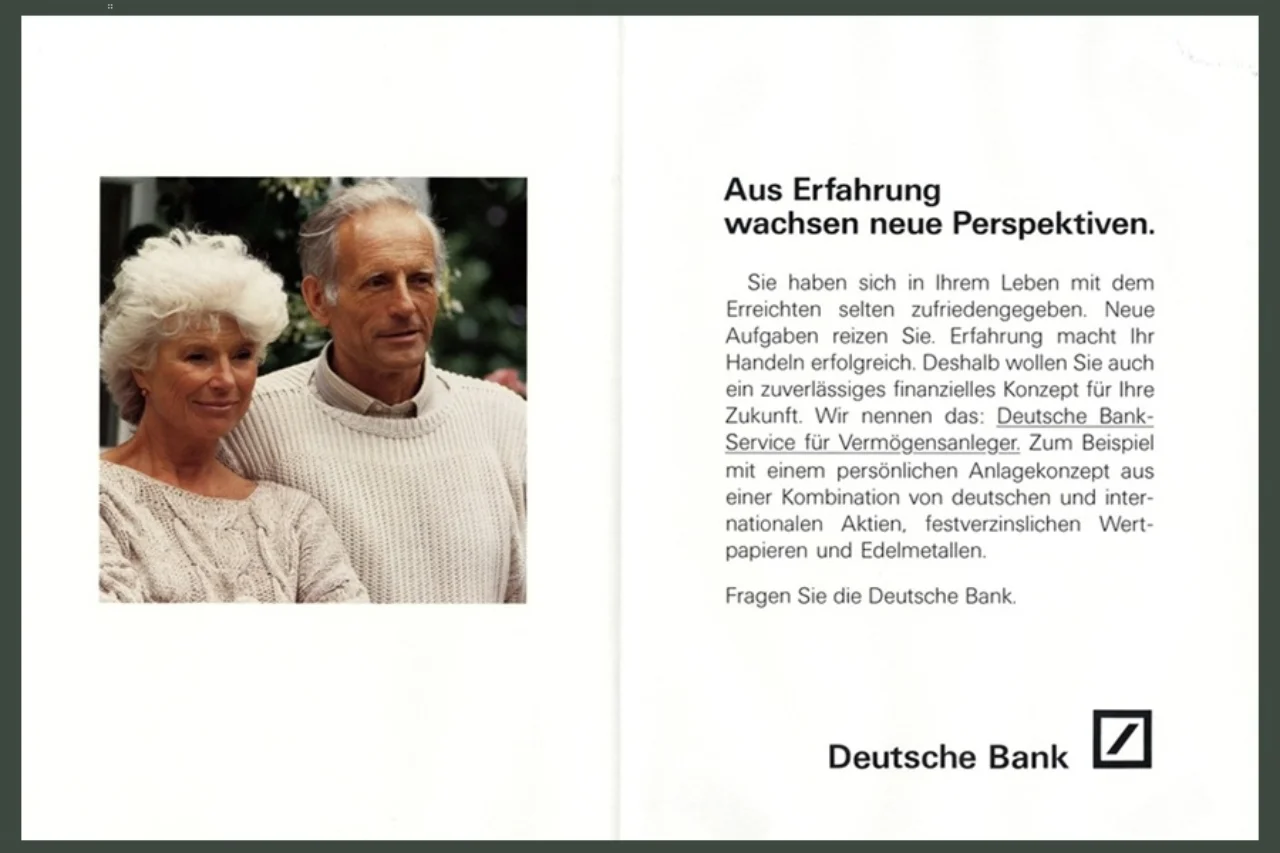
As capital market-based retirement solutions became more established, the focus increasingly shifted towards younger generations. Retirement planning came to be understood less as a late-career decision and more as a long-term process.
New products and services were designed to lower entry barriers and encourage regular saving over many years. This changed the logic of retirement planning. Instead of beginning shortly before retirement, financial preparation increasingly became something that could start early in working life and develop over several decades.
Planning beyond the end of working life
Longer life expectancy has also changed what happens after people retire. Retirement is no longer a short final phase after working life. For many people, it can last decades and may involve accumulated assets, changing income needs and new financial priorities.
That has broadened the scope of retirement planning. Financial security does not end at retirement. It enters a new phase in which asset allocation, wealth preservation, income generation and financial resilience all become increasingly important.
What has changed – and what has not
The history of retirement planning shows how financial provision continuously adapts to changing social realities. Occupational welfare funds, savings books, mutual funds and other capital market investments all reflect different answers to the same underlying question: how can people prepare financially for the future?
As life expectancy rises, the answer continues to change. Retirement planning now begins earlier, spans more stages of life and extends well beyond the point at which people stop working. But the core objective remains the same: to build financial stability through long-term, forward-looking planning.
This page was published in August 2026.

Damaris Brosch
… is a corporate historian at Deutsche Bank, focusing on the people, ideas and events that have shaped economic history. She looks at developments from the past that continue to have an impact today and shape current debates about the future – for instance retirement planning, ageing and longevity.
Recommended content

Bold Entrepreneurship | Opinion
What if ageing is actually a growth story? What if ageing is actually a growth story?
Pedro Ros reveals why longer lives are creating one of the world’s most underestimated growth markets.
What if ageing is actually a growth story? Explore the Silver Economy
Digital Disruption | Crisp & Short
Risk and vision: investments in tech pioneers Risk and vision: investments in tech pioneers
Throughout its history, Deutsche Bank has supported visionary technical projects. Often ahead of their time, sometimes risky, but always groundbreaking.
Risk and vision: investments in tech pioneers Making innovations viable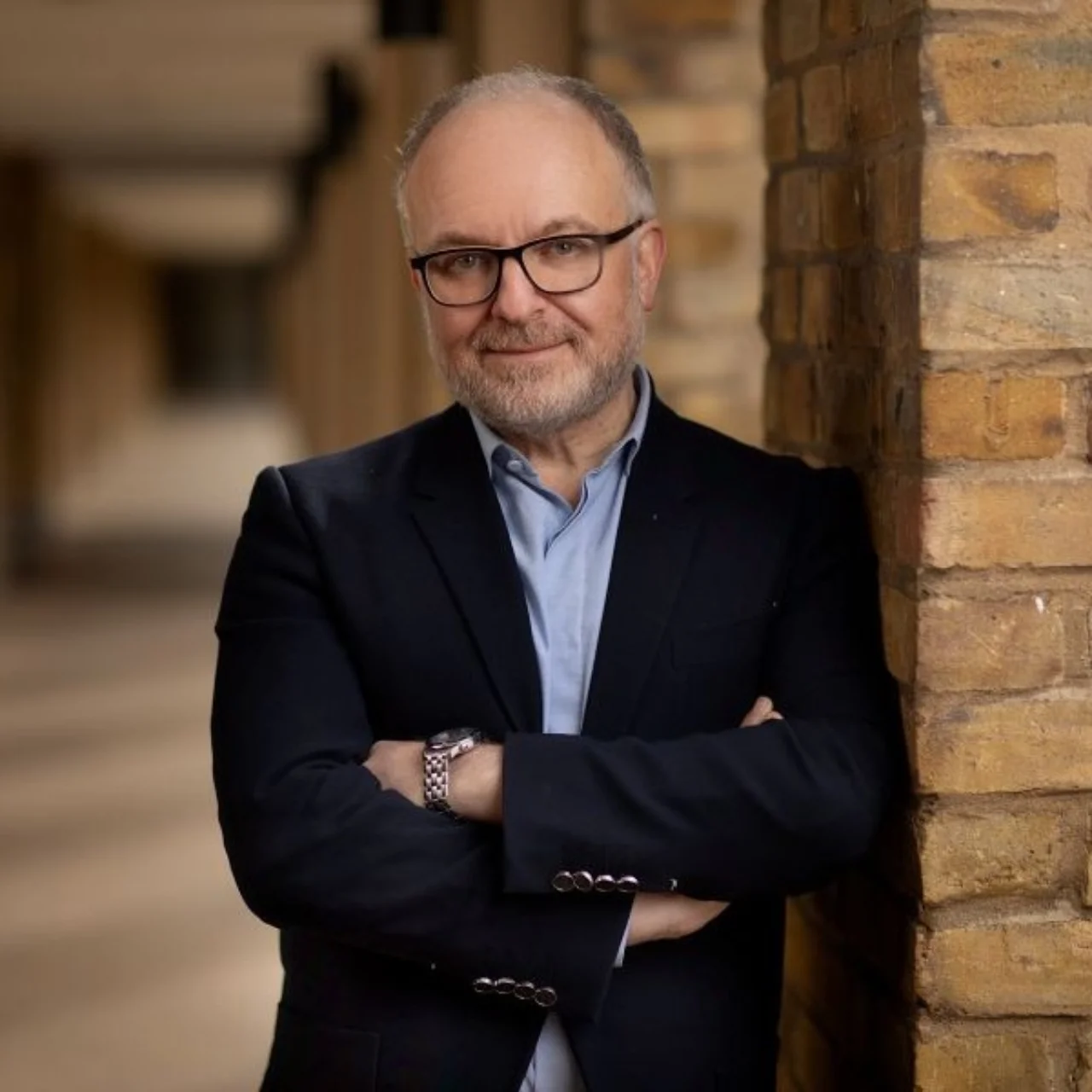
Bold Entrepreneurship | Opinion
“Adapting to longer lives is as crucial as adapting to AI or climate change” “Adapting to longer lives is as crucial as adapting to AI or climate change”
Longer lives are reshaping economies and careers. Andrew J. Scott explains why the longevity revolution is just getting started.
“Adapting to longer lives is as crucial as adapting to AI or climate change” Why longer lives change everything