

Investing in Orbit: the rise of Europe’s space economy
The European space sector is undergoing a dramatic transformation, fueled by record investments and the emergence of innovative business models that reach far beyond traditional government-led missions, says ESA's Christine Klein.
Private investment in European space start-ups has surged, driving new business models and commercial opportunities across industries. To understand what’s driving this momentum – and where the strongest growth potential lies – we spoke with Christine Klein, Head of Industrial Policy and Auditing at the European Space Agency (ESA).
Christine, space commercialization is accelerating globally. Why is it so relevant for Europe right now?
The scale and strategic importance of space commercialization have grown dramatically. For example, in 2024, private investment in European space start-ups reached about 1.5 billion euros - 10 times more than a decade ago. This surge is reshaping Europe’s space ecosystem, with a dynamic mix of start-ups and SMEs joining established industry leaders. Employment is rising too, with roughly 15,000 full-time jobs now in these smaller companies.
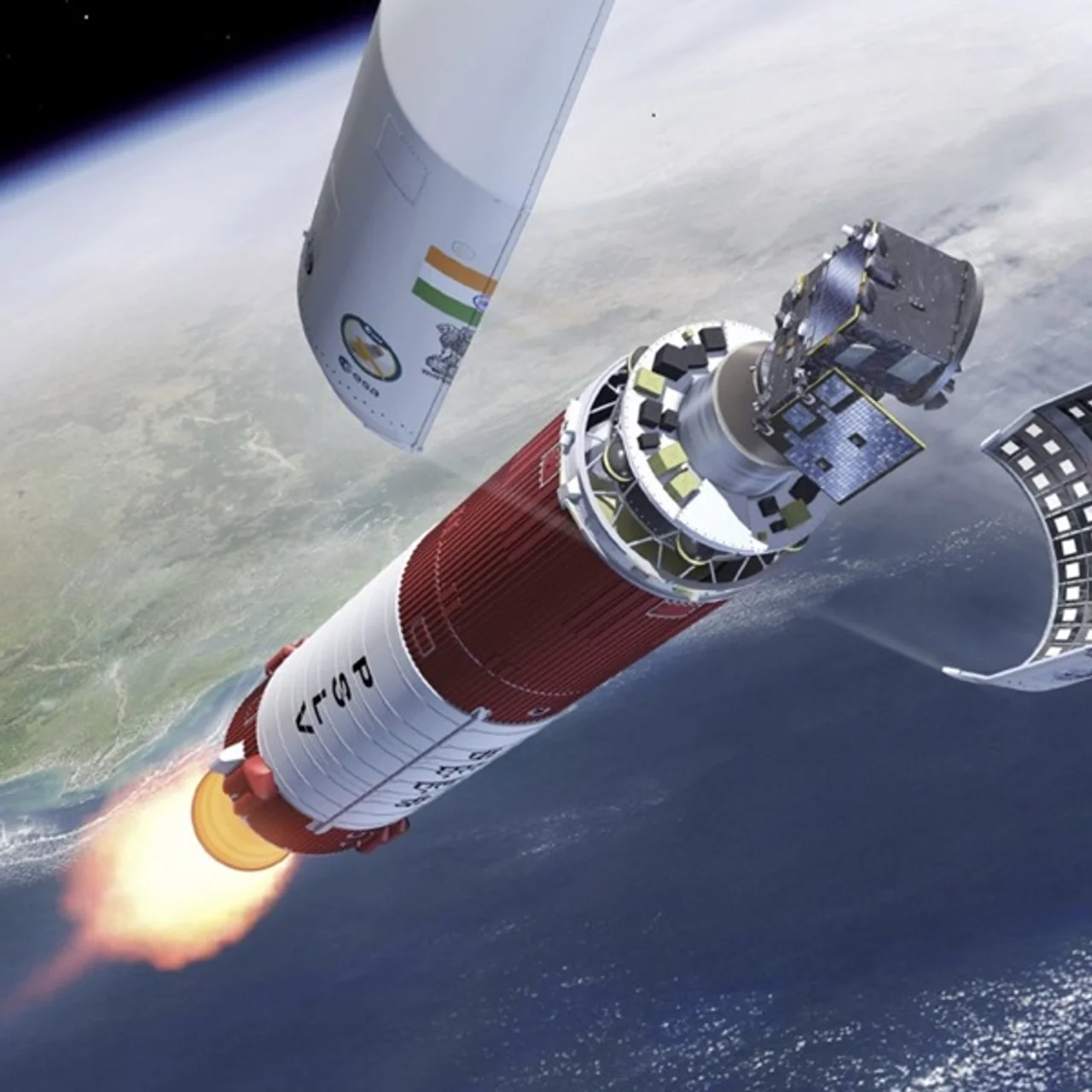
The scale and strategic importance of space commercialization have grown dramatically.
The relevance for Europe is clear: space is becoming an essential infrastructure for our daily lives, enabling navigation, communication, and weather forecasting. Without it, our modern society would be fundamentally disrupted.
In your view, which space business models or applications show the strongest growth potential today?
The most commercially viable areas are downstream applications like satellite communications and Earth observation, where data services support industries such as maritime and automotive. We also see strong growth potential in emerging markets like in-orbit servicing (extending the life or functionalities of spacecraft that are already in orbit), manufacturing, and debris removal.
We aim to develop a system for transporting cargo to and from orbit, opening new commercial opportunities for the future.
Initiatives such as the European Launcher Challenge and the LEO Cargo Return Service are designed to foster the creation of new markets. With the LEO Cargo Return Service, we aim to develop a system for transporting cargo to and from orbit, opening new commercial opportunities for the future.
-

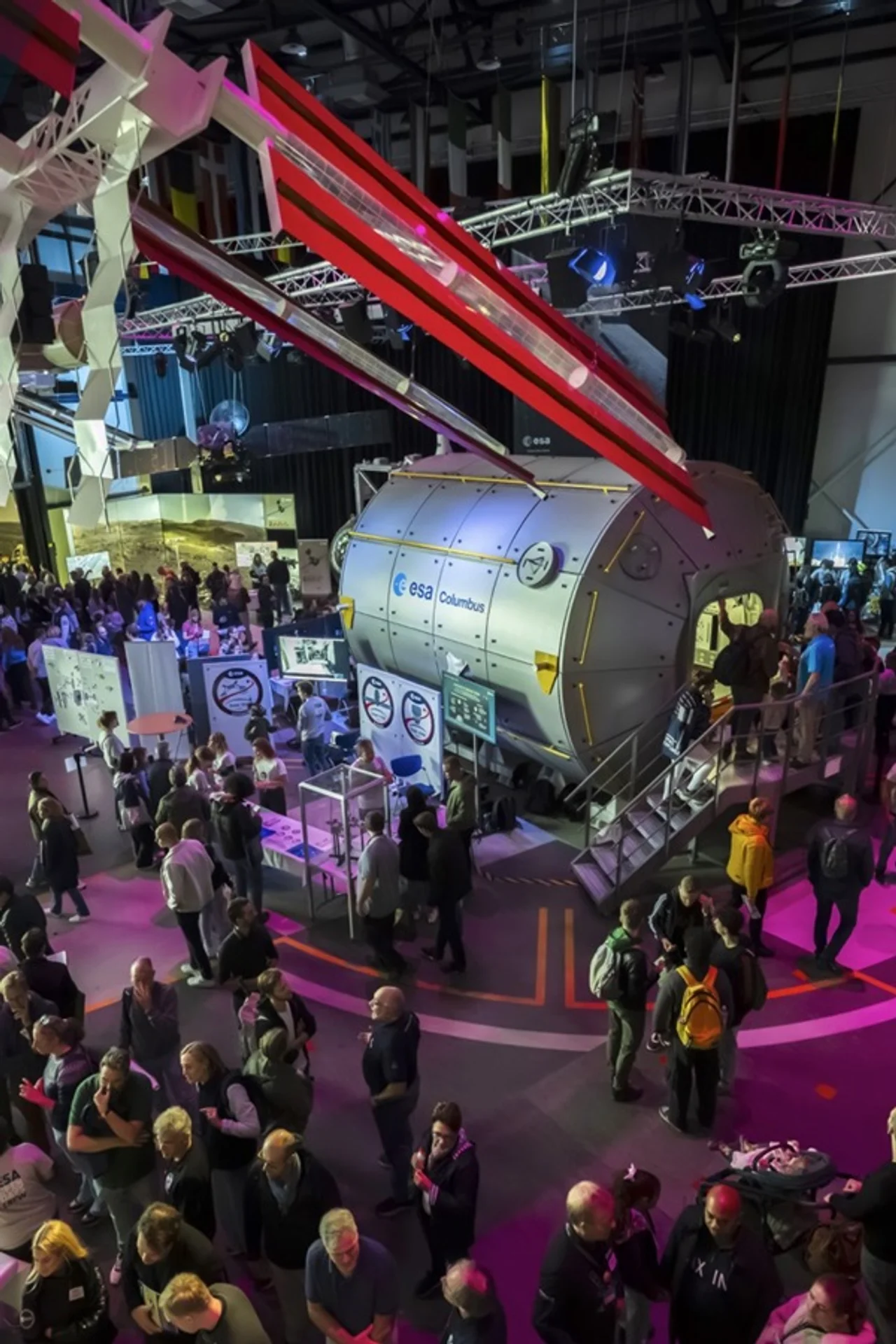
The Erasmus centre at ESA ESTEC in Noordwijk, the Netherlands crowded with visitors during the 12 October ESA Open Day, part of a sequence of events across agency establishments to mark ESA’s 50th anniversary. Picture credits © ESA
-

A radar view of the Bolivian rainforest, one of the first images from ESA’s Biomass mission unveiled at June’s Living Planet Symposium. Its P-band radar signal penetrates forest canopies to measure woodland biomass, helping to understand how Earth’s forests are changing and exactly how they contribute to the global carbon cycle. Picture credits © ESA
-

This expansive view of the Andromeda galaxy was the first light of ESA’s Flyeye asteroid hunting telescope from its factory in Matera, Italy. Inspired by an insect’s compound eye, it can capture a region of the sky more than 200 times as large as the full Moon in a single exposure to perform a wide view search for incoming asteroids. Picture credits © ESA
-

In early October ESA expanded its capability to communicate with scientific, exploration and space safety missions across our Solar System with Director General Josef Aschbacher’s inauguration of a new 35-m diameter deep space antenna – the fourth for Estrack, ESA’s deep space tracking network – located beside the agency’s existing New Norcia 35-m antenna in Western Australia. Picture credits © ESA
-

The inaugural Orion spacecraft, powered by ESA’s European Service Module and designed to return humans to the Moon, observes the Earth rising behind the Moon on 5 December 2022. Picture credits © ESA
-

Engineers from ESA's Proba-3 team inspect the face of the Occulter spacecraft at the Indian Space Research Organisation's Satish Dhawan Space Centre in Sriharikotta, in November 2024. Picture credits © ESA
-

ESA’s double-satellite Proba-3, designed for precise formation flying down to a single millimetre, lifted off on its PSLV-XL rocket from Satish Dhawan Space Centre in Sriharikota, India, on 5 December. The mission was launched using this Indian launcher because it needed to be placed in a highly elliptical orbit extending more than 60 500 km from the ground. Picture credits © ESA
-

The Atomic Clock Ensemble in Space (ACES) is a European facility outside the International Space Station. ACES will link its own highly precise timepieces with the most accurate clocks on Earth and compare them to measure the flow of time © ESA
Space is often perceived as high-risk by financial stakeholders. How is ESA helping them assess and finance space projects?
Traditionally, banks and investors have found it challenging to assess and finance space projects due to the sector’s niche nature and inherent risks, especially for SMEs. However, the sector’s growing strategic importance – particularly in security – may help mitigate these barriers. ESA addresses this through the ESA Investor Network, which brings together institutional investors and major banks – including Deutsche Bank as a key partner – to improve risk understanding and deal flow.
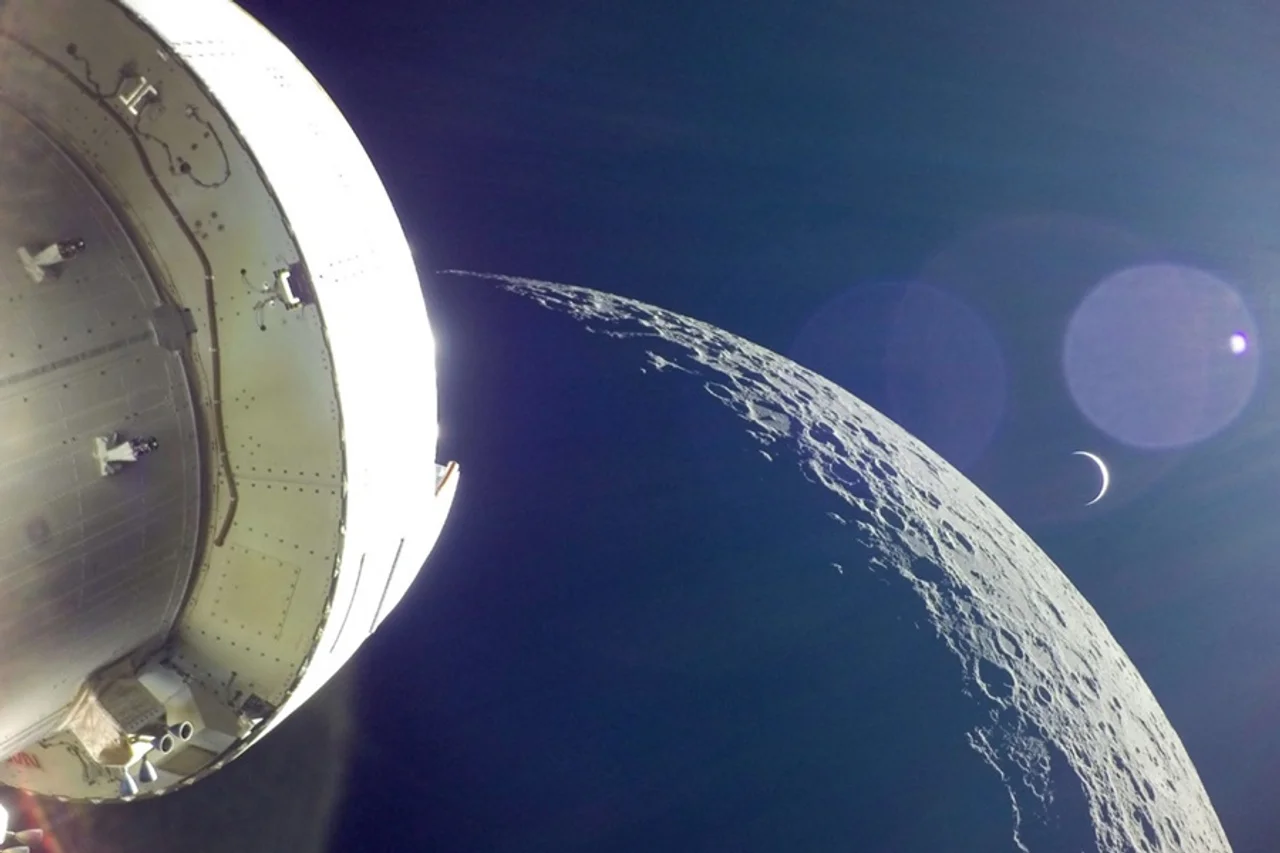
The inaugural Orion spacecraft, powered by ESA’s European Service Module and designed to return humans to the Moon, observes the Earth rising behind the Moon on 5 December 2022. Picture credits © ESA
Traditionally, banks and investors have found it challenging to assess and finance space projects due to the sector’s niche nature and inherent risks.
In parallel, ESA works with the European Commission and the European Investment Bank to establish dedicated funding lines and risk-sharing instruments, while providing technical due diligence and ecosystem insights. As space gains strategic relevance, particularly for security, investors should also factor in political trends and growing demand from dual-use applications and large constellations.
Compared to the US and China, what are Europe’s unique strengths and main challenges in the space sector?
Europe has developed some of the world’s best-performing space systems, like Copernicus for Earth observation and Galileo for navigation, which are considered state-of-the-art. Our strengths include highly skilled engineers, companies, and scientists. However, we lag in speed and scale of investment and face a fragmented landscape in Europe. Efforts are underway to harmonize requirements and co-funding levels, making it easier for SMEs and start-ups to participate.
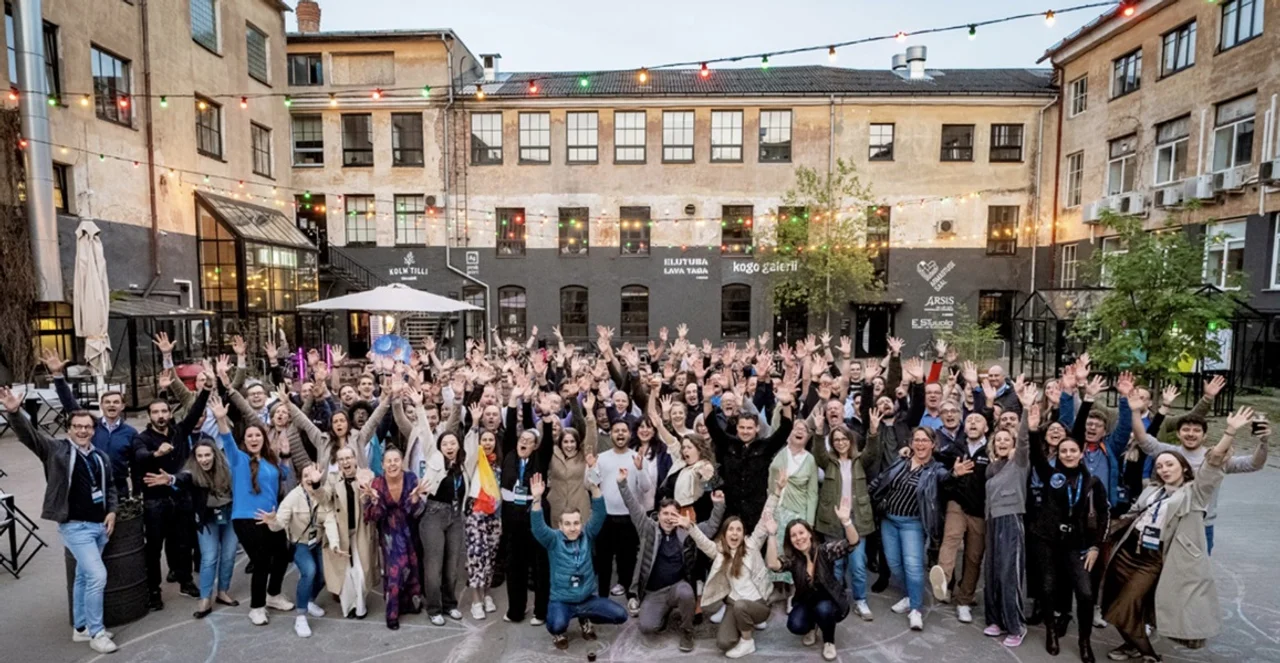
The ESA Commercialisation Network: ESA BICs together with ESA’s Technology Brokers PhiLab Network. Picture credits © ESA
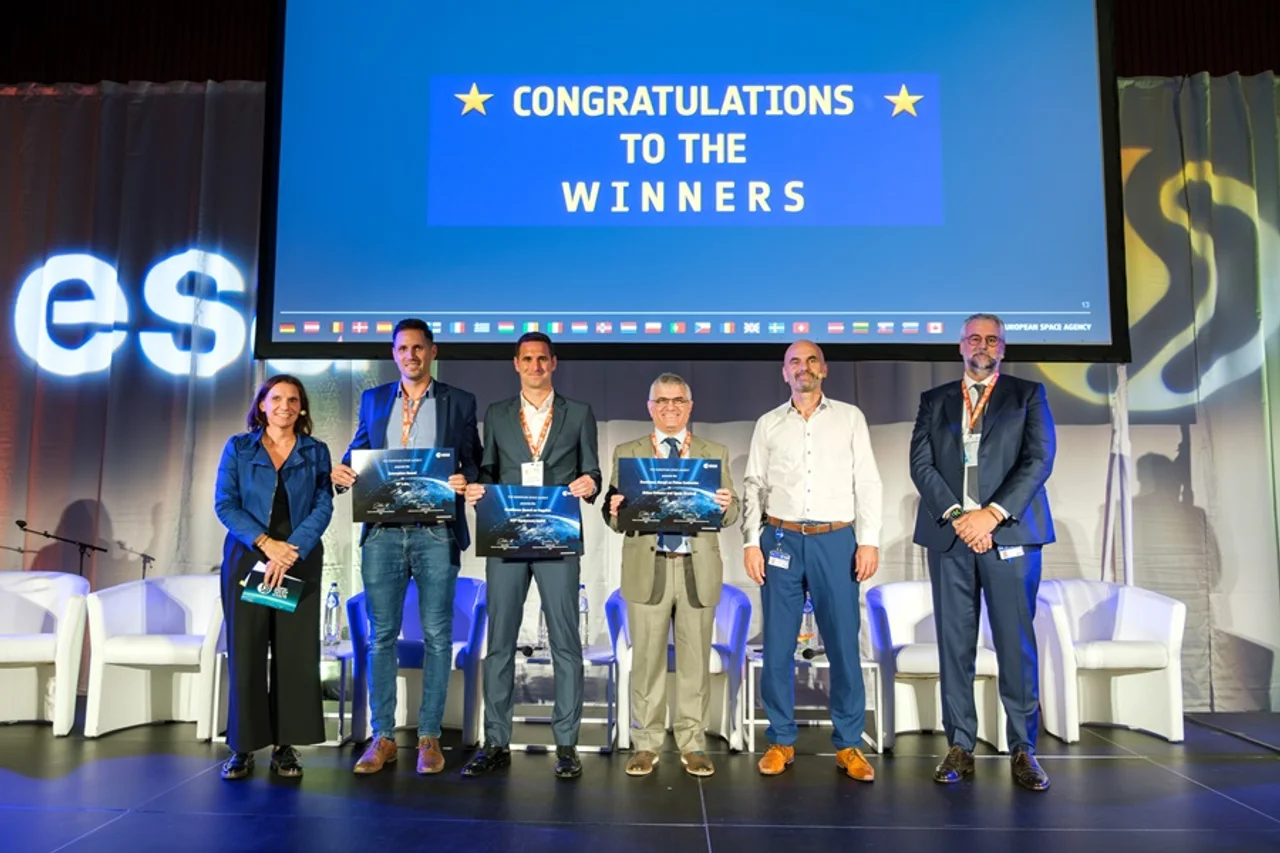
Award winning ceremony at ESA industry space days. Picture credits © ESA
Given this context, how can leadership in sustainability help strengthen Europe’s competitiveness?
Sustainability is essential for ESA. We want space to remain a safe, accessible, and sustainable domain for generations to come. ESA was the first space organization to systematically monitor the environmental impact of its missions. Our Green Agenda aligns with the European Green Deal and the Paris Climate Agreement, guiding efforts to reduce our environmental footprint and promote green technologies.
We want space to remain a safe, accessible, and sustainable domain for generations to come.
We aim for zero new space debris by 2030 and have established the Zero Debris Charter, signed by 21 states and 180 industrial actors. Leadership in sustainability can become a competitive advantage for European industry.
Would one solution be to open the market to new entrants?
ESA’s motivation is to ensure Europe remains competitive and resilient in the global space economy. Commercialization is now a core strategic priority for us. We’ve streamlined our contracting processes and lowered entry barriers, especially for SMEs and startups. For instance, we’ve halved the time it takes to finalize contracts under 1 million euros, making it easier for new players to participate. Our policies actively encourage SME involvement, fostering a more agile and competitive market.

About Christine Klein
Christine Klein, 50 years, born in Bonn, Germany, three children, graduated in Political Sciences and International / European Law at the University Bonn in 2002. She started working in the space domain as project team member in the area of ISS Commercialization at Kesberg, Bütfering & Partner, German SME.
She joined the German Space Agency at DLR (Deutsches Luft- und Raumfahrtzentrum) in 2012, being responsible for financial planning and controlling of German contributions to ESA programs. As Member of the German Delegation to the Administrative and Finance Committee (AFC) of ESA, she became Vice-Chairperson of AFC from 2016, chairing working groups on the reform of ESA (i.e. reform of ESA Financial Regulations in 2017). 2017-2020 Chairwoman of AFC. From 2019, she was Head of the German Delegation to the Industrial Policy Committee (IPC) of ESA, representing German industrial interests towards ESA. In 2019, she received the Fritz-Rudorf-Preis, award for outstanding achievements in performing the complex sovereign tasks of space management in cooperation with the European Space Agency.
Christine joined ESA as Head of Workforce Management in 2020, responsible for the overall workforce sizing and implementation at the Agency. Since July 2022, she is Head of Industrial Policy and Auditing in the Directorate of Commercialization, Industry and Competitiveness, being among others in charge of the evolution of ESA’s Industrial Policy with the latest decision on evolution taken by ESA Council in June 2024.
About ESA
The European Space Agency is committed to peacefully exploring and using space to benefit everyone. Since its creation as an intergovernmental organisation in 1975, they've been championing European scientific and industrial interests in space.
ESA combines the financial and intellectual resources of its members to undertake ambitious space programmes and activities, achieving results that no single European country could accomplish alone.
What does ESA do?
In short, ESA’s job is to draw up the European space programme and carry it through. ESA's programmes are designed to find out more about Earth, its immediate space environment, our Solar System and the Universe, as well as to develop satellite-based technologies and services, and to promote European industries. ESA also works closely with space organisations outside Europe.
This page was published in February 2026.

Yann Couronneaud
… is Deutsche Bank’s Co-Head of Communications in Europe. He has always been captivated by Europe’s spirit of cooperation – a spirit that, in this case, literally goes beyond our planet. Writing about space allows him to show how collective expertise and shared ambition continue to propel Europe – and its partners – toward new horizons.
Recommended content
Digital Disruption | Insights
Private space race accelerates: Innovation opens the final frontier Private space race accelerates: Innovation opens the final frontier
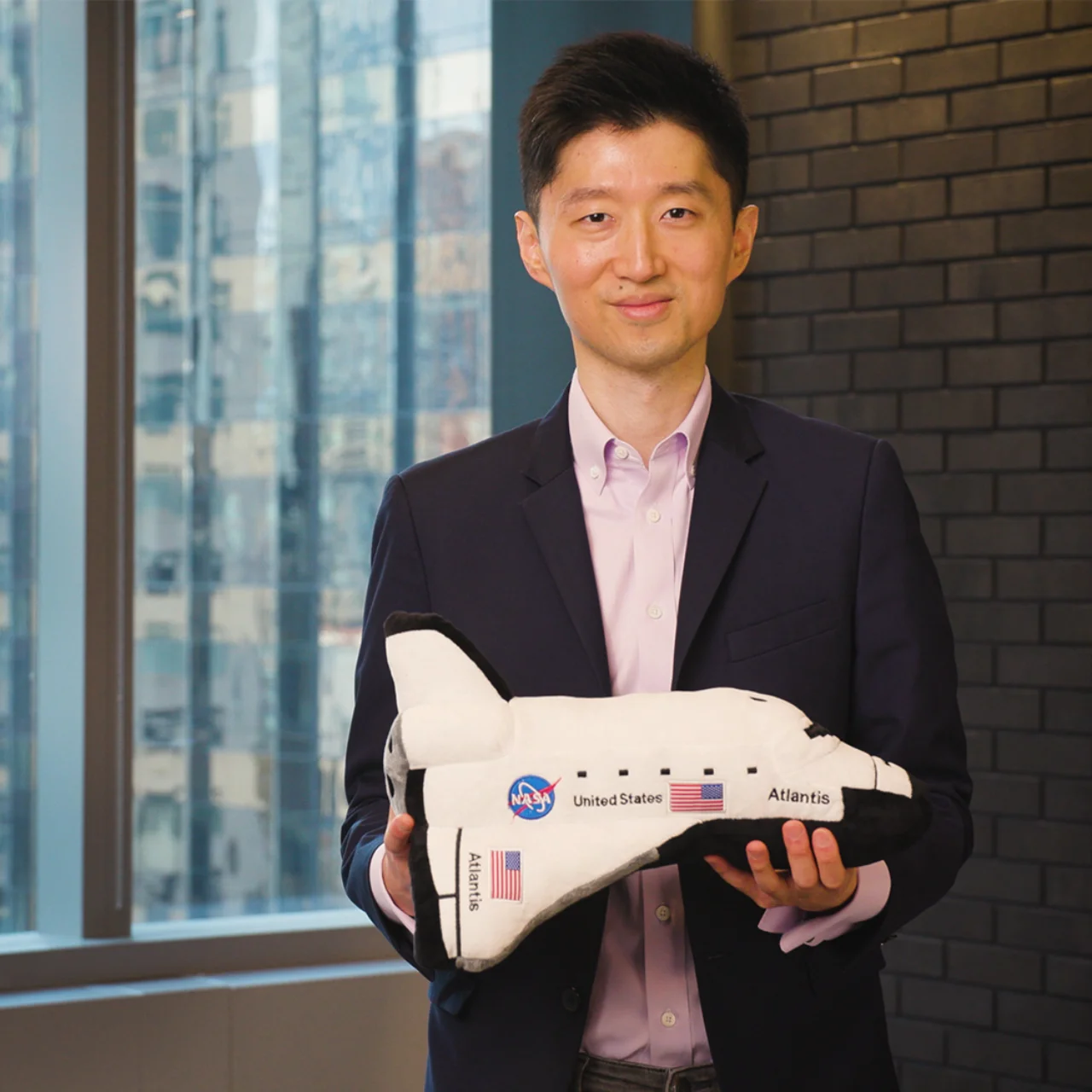
Space was once the dream of nations, now it’s the ambition of innovators. Watch 99 seconds with space economist Edison Yu.
Private space race accelerates: Innovation opens the final frontier Uncover race to space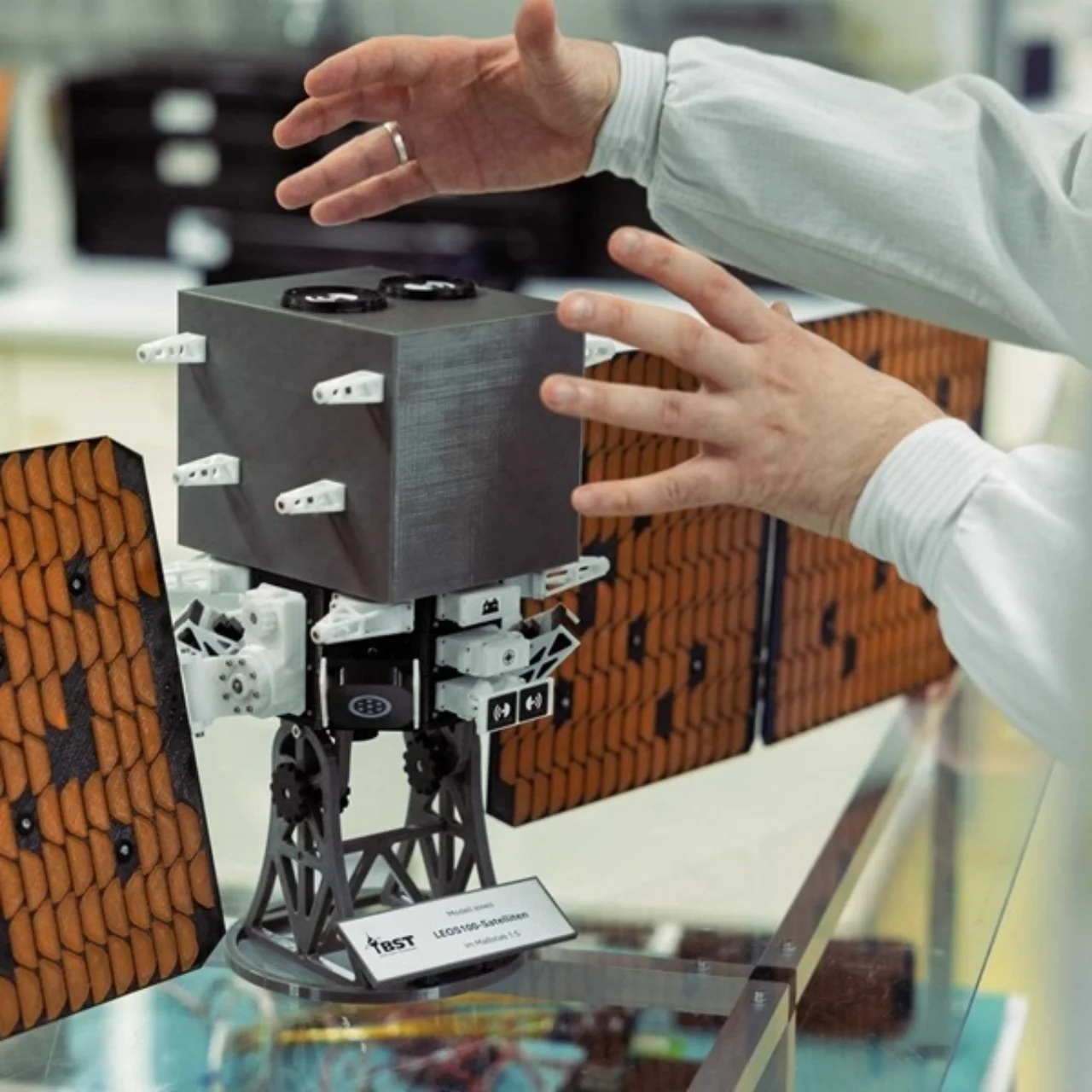
Digital Disruption | Video Story
End-to-end: space travel from a single source End-to-end: space travel from a single source
With the rise of the “New Space Economy,” SMEs and start-ups such as MBS and BST are entering the stage – bringing a breath of fresh air into a multi-billion-dollar market.
End-to-end: space travel from a single source Satellites off the assembly line?
Digital Disruption | Interview
Building Europe’s way into space – The Exploration Company’s sustainable approach Europe’s way into space – The Exploration Company’s sustainable approach
Founder Hélène Huby reveals how The Exploration Company’s reusable, launcher‑agnostic capsule and open approach could give Europe cleaner and cheaper access to space.
Building Europe’s way into space – The Exploration Company’s sustainable approach The end of space debris?