
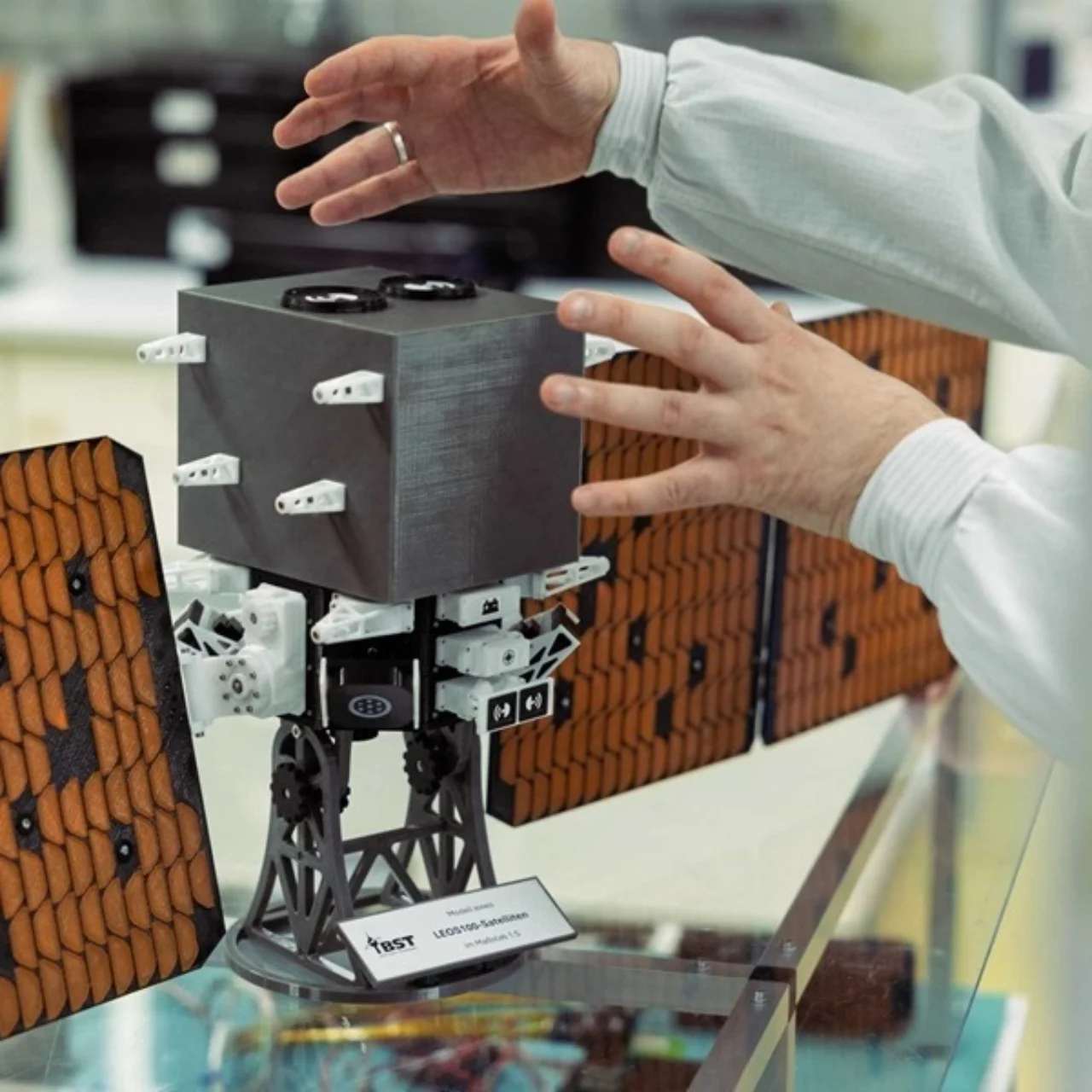
End-to-end: space travel from a single source
Space was long reserved for government agencies, then large corporations joined in. With the rise of the “New Space Economy,” SMEs and start-ups such as MBS and BST are entering the stage – bringing a breath of fresh air into a multi-billion-dollar market.
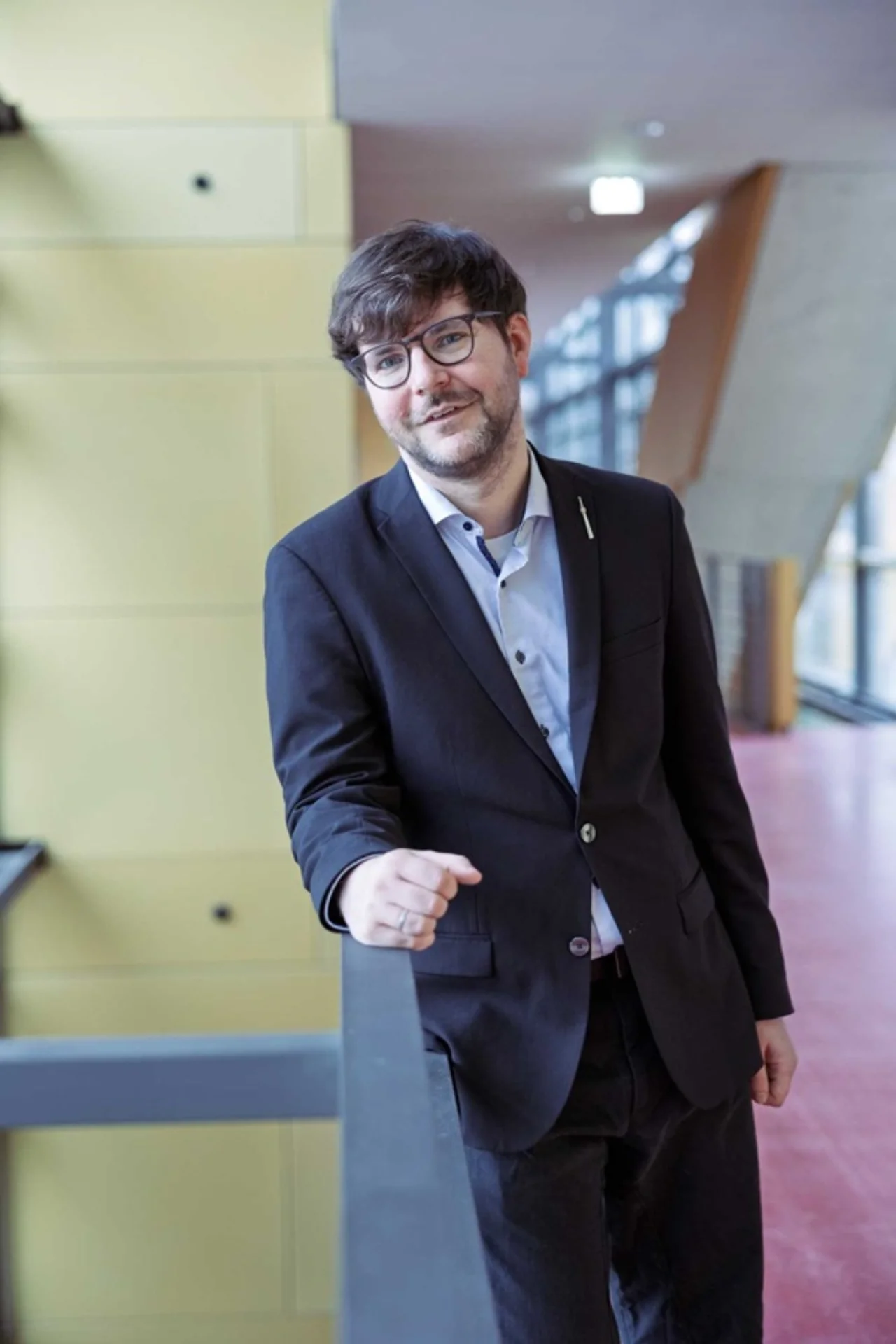
Tom Segert, BST
In the middle of Berlin-Tempelhof, between old hangars and runways, something is emerging that seemed unthinkable just a few years ago: a satellite factory. Soon, high-tech components will be assembled here, designed to broaden Europe's path into space.
"We are currently building a factory that will have a production capacity of five satellites per week by the end of next year. This is a huge leap forward for us and necessary to meet demand," says Tom Segert, founder of Berlin Space Technologies (BST).
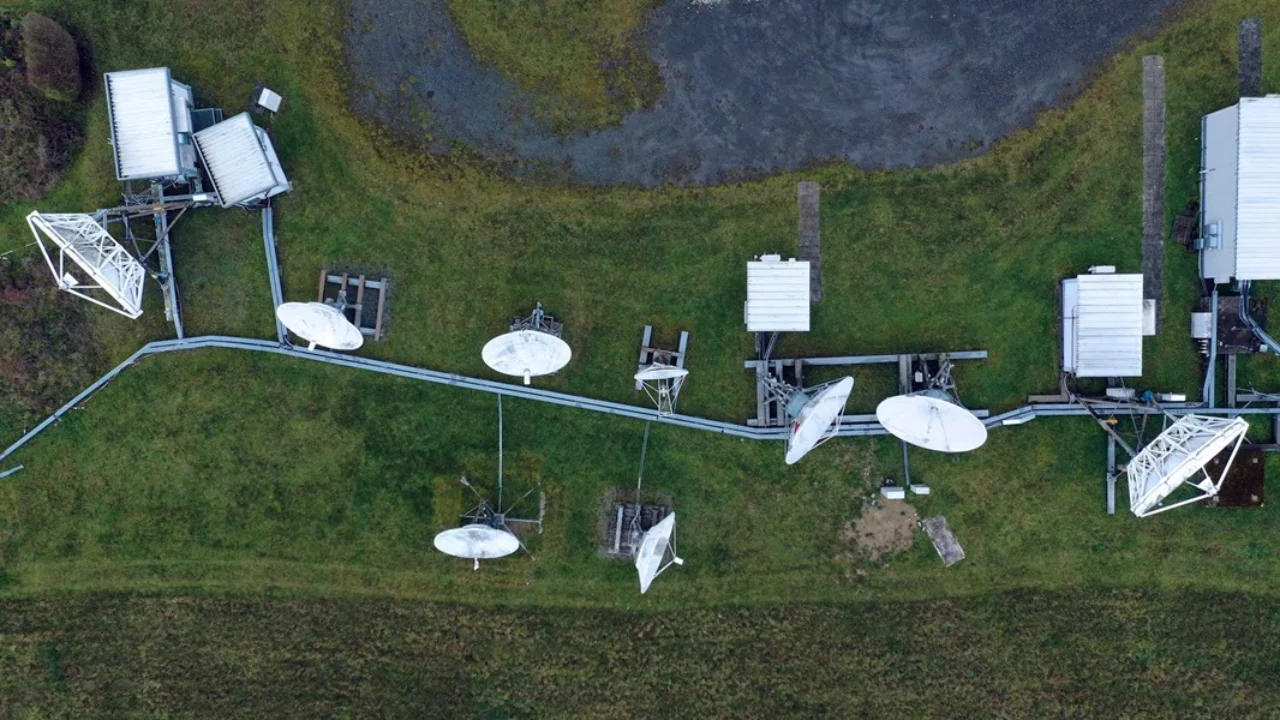
500 kilometres further southwest, Markus Daiberl navigates through the 135 antennas of the Usingen Earth station. His employer MBS (Media Broadcast Satellite GmbH) has been operating satellite communication here for decades.
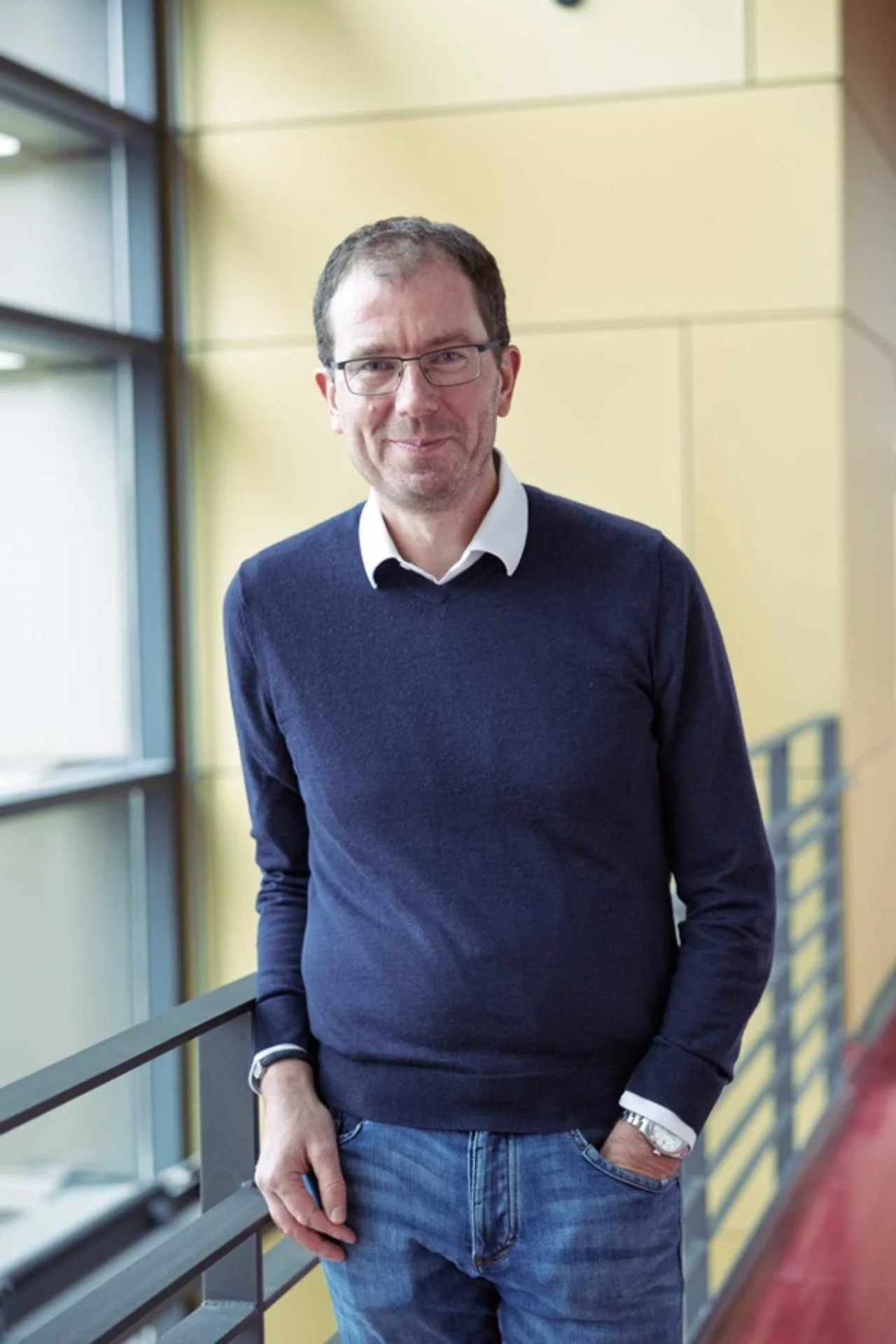
Markus Daiberl, MBS
Now, it has transformed into a space company. "Responsive Space includes the complete chain, from the idea to the construction, launch, flying of the satellites, and data transmission – we can cover all of that," explains Daiberl.
What connects both companies: they are part of a new generation of space pioneers who are demonstrating how the innovative strength of SMEs is redefining Europe's role in space.
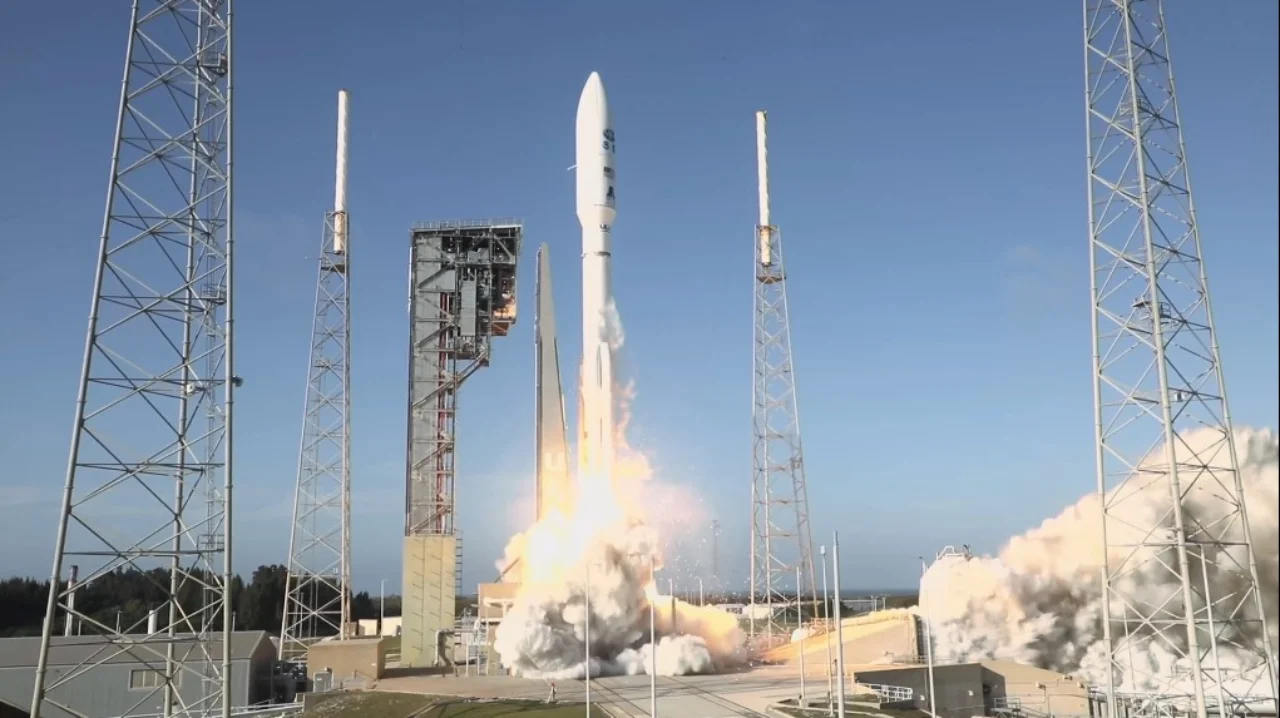
#EconomyStory video: agile space travel made in Europe
The market for satellites in low Earth orbit (LEO) is growing rapidly – from 6.9 in 2025 to over 36 billion US dollars by 2035, according to globalgrowthinsights. The number of small satellite launches is exploding, and new services and business models are emerging. "When the internet emerged about 30 years ago, many services and offerings were also revolutionised. Something similar is happening now in the New Space, Economy" is how Daiberl describes the dynamic.
MBS has evolved from a classic satellite provider to an agile mission provider. This means that today, customers can commission complete satellite missions – from the initial idea to operation in orbit. "We launch the satellites from Europe and operate them ourselves. This gives us a certain sovereignty and direct access to space," says Daiberl.
BST brings start-up mentality and industrial series production with high volume into play. Segert describes where Europe needs to catch up: "We are now creating the industrial base that Europe has lacked so far. The ability for series production did not exist in Germany before – unlike in the US or even France."
What is “Responsive Space”?
Responsive Space means that companies can commission a complete satellite mission quickly, flexibly, and all from a single source.
MBS and BST handle every step in the value chain: from satellite construction to launch (directly from Europe) to ongoing operation and data transmission. Thanks to modular design and series production, individual missions can be implemented within weeks or months – instead of years, as previously. This makes space economically viable and accessible for many industries.
-
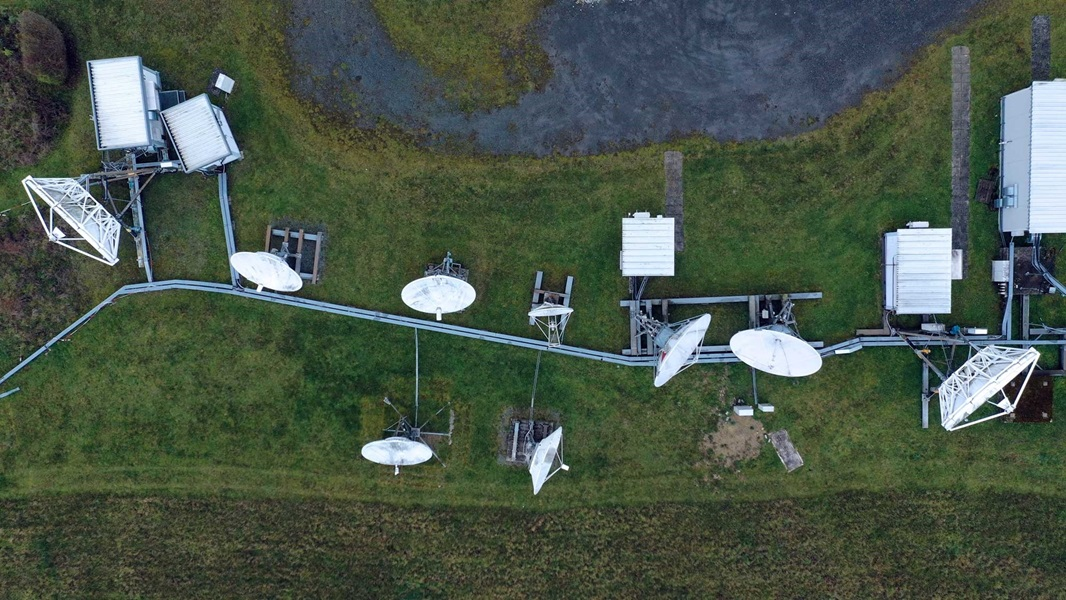
Satellite grond station in Usingen, Germany. MBS is located here. Address: Earth Station 1
-
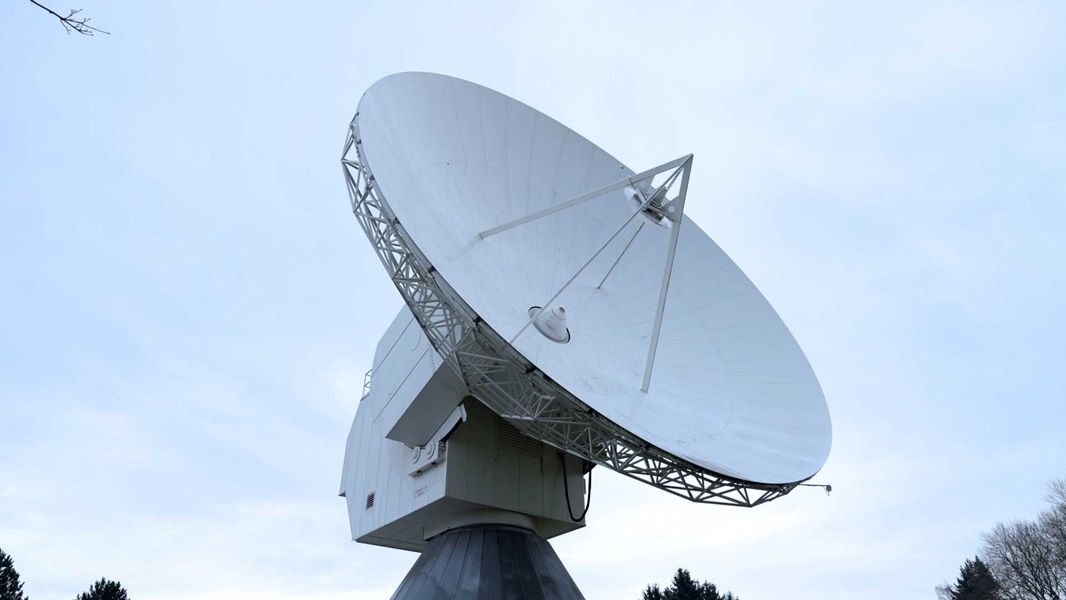
Radio station in Usingen, Germany. Parabolic antenna
-
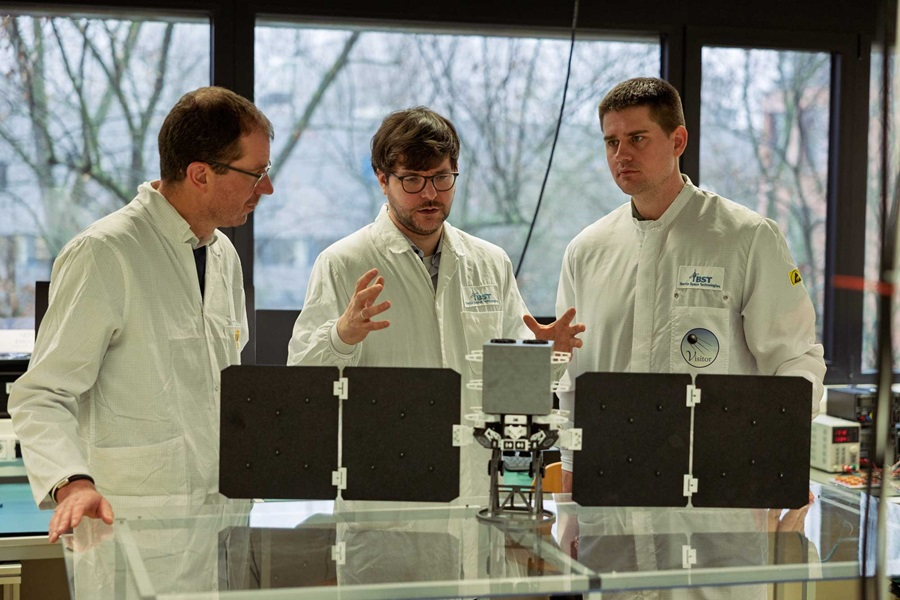
Markus Daiberl, Tom Segert and a colleague discussing in front of a satellite model.
-
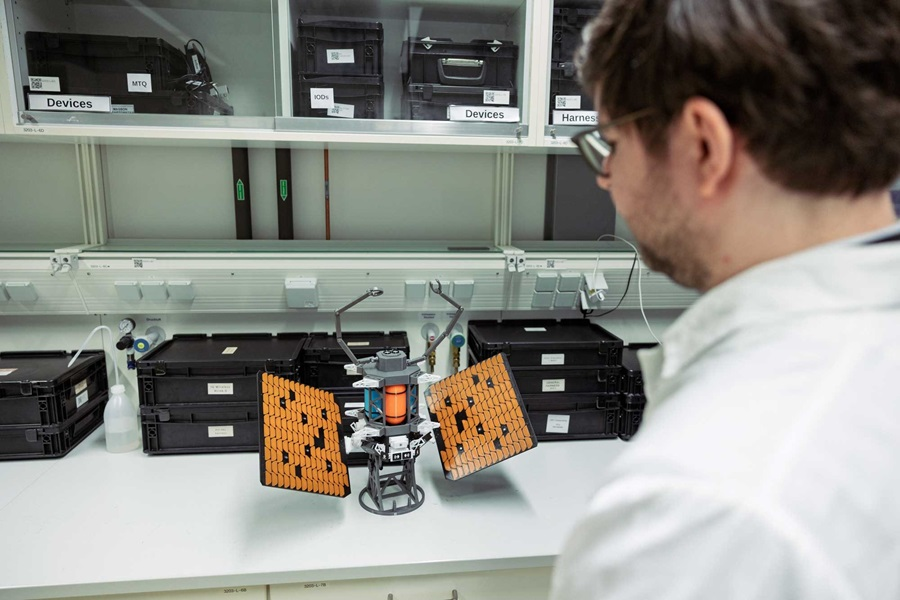
Tom Segert and a BST Satellite model.
-
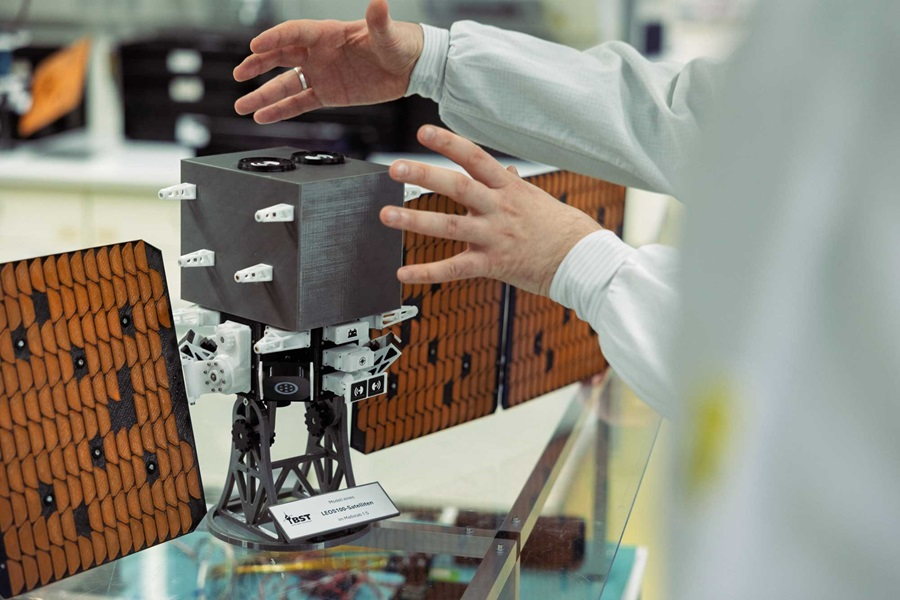
Close-up of a BST Satellite model.
-
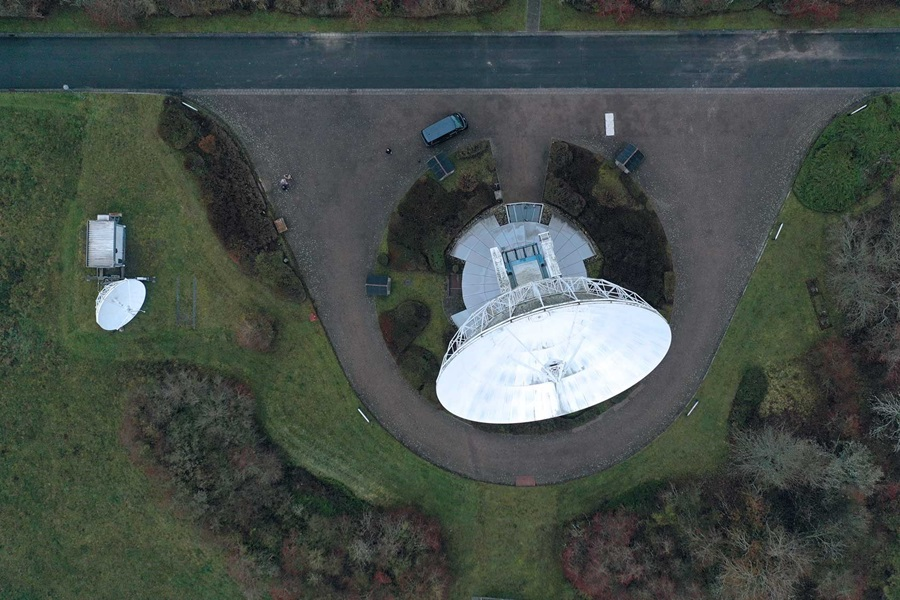
Earth station Usingen, a parabolic antenna, seen from above.
-
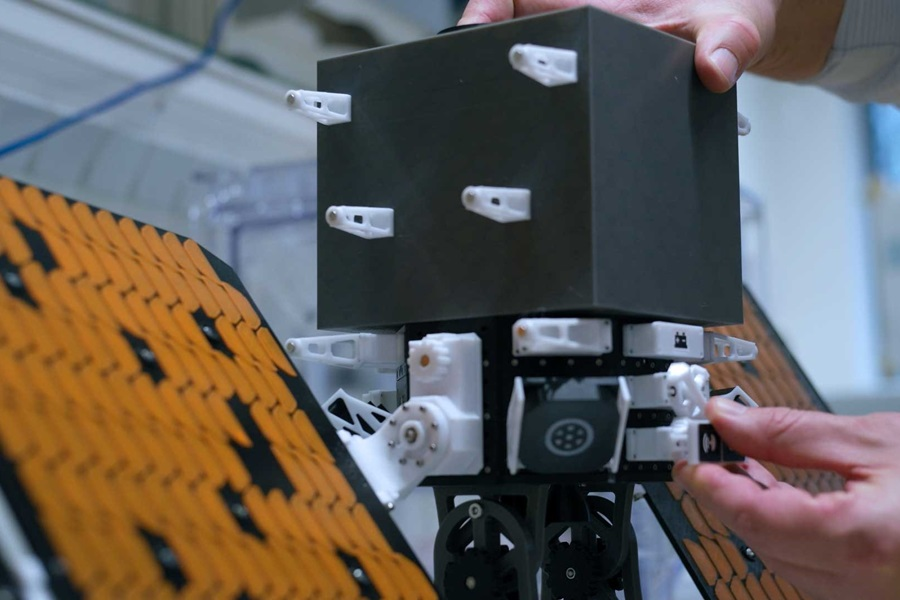
Exploring a satellite model at BST in Berlin.
-
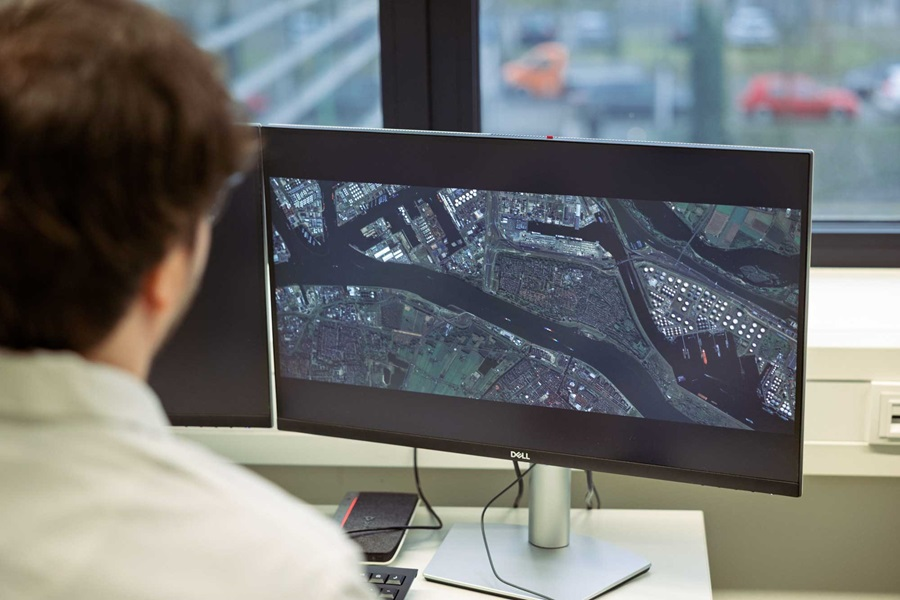
Tom Segert monitoring satellite data at BST.
-
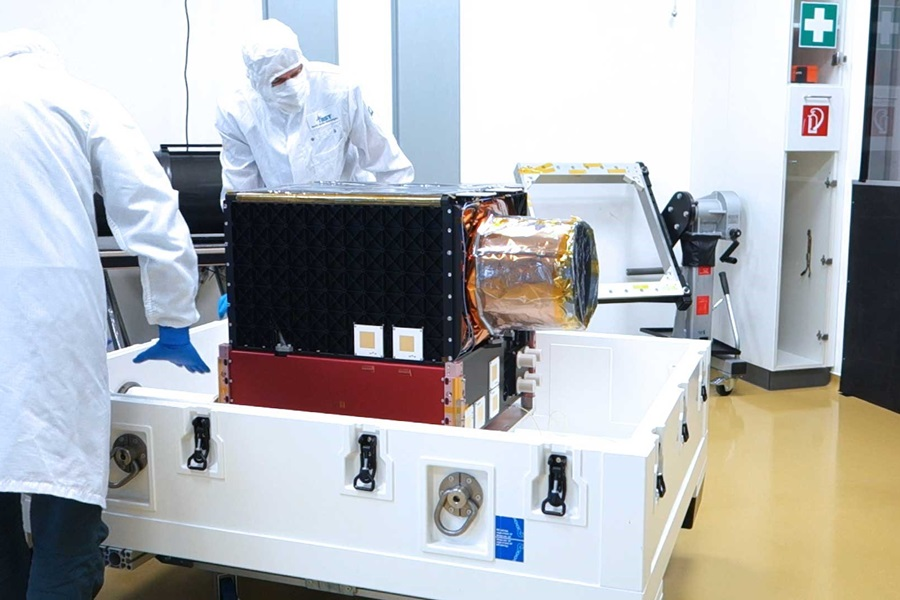
The real satellite - it will be sent to space soon.
-
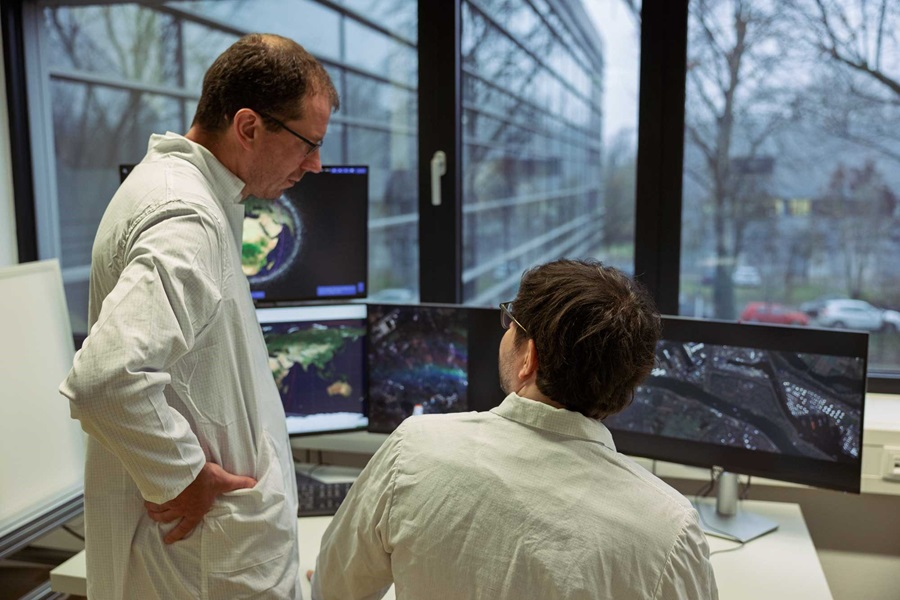
Markus Daiberl and Tom Segert are analysing satellite data.
Cooperation as a success model: an integrated space ecosystem
The collaboration between MBS and BST exemplifies the innovative strength of German SMEs. Together, they cover the entire value chain: from satellite construction to launch and operation in orbit. Customers benefit from "end-to-end" solutions that enable them to bring their own ideas into space without having to be space experts themselves. "MBS brings together a network of similarly oriented SMEs, making it possible for the first time for SMEs to cover the entire value chain without relying on the usual large corporations," says Segert.
"In Europe, we have a broad value chain. What we have lacked so far, however, is access to space. Through the Responsive Space approach, which includes launching from Europe, we enable this within the shortest possible time," emphasises Daiberl.
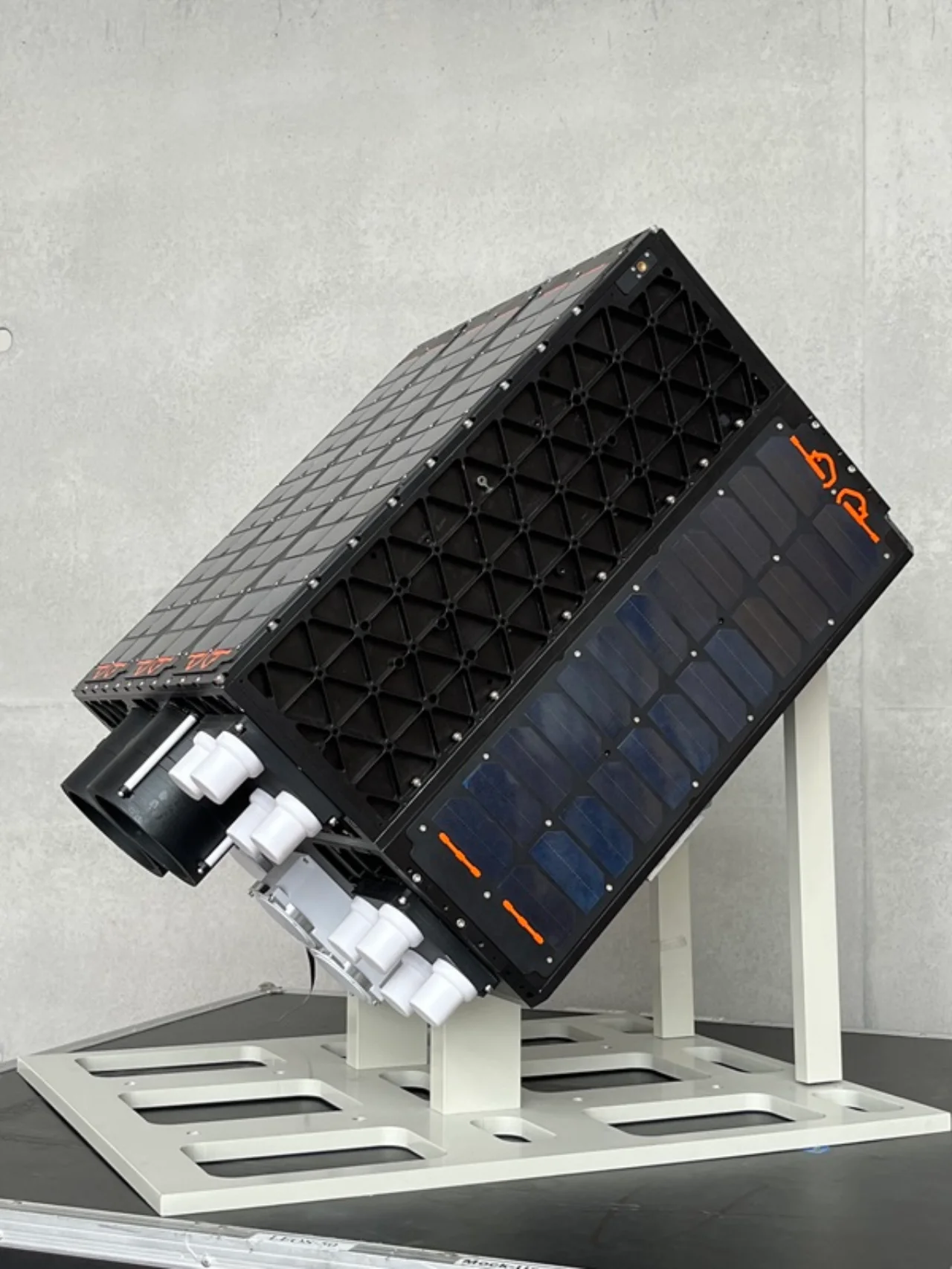
BST Satellite LEOS-50 - currently in space as AFR-1-Satellite.
What we have lacked so far in Europe is access to space. Through the Responsive Space approach, which includes launching from Europe, we enable this within the shortest possible time.
High-Tech from the backyard: example projects
- Responsive Space Missions for New Applications
Companies from agriculture, forestry, logistics, or telecommunications commission tailor-made Earth observation and communication missions. MBS and BST handle construction, launch, operation, and data provision – clients provide the application idea, the rest comes from a single source. "Clients don't necessarily need to have space knowledge. Together with BST, we build the satellites, send them into space, and operate them," says Daiberl. - European Launch Capabilities – Shortening Time-to-Orbit
MBS is developing launches from European sites, instead of predominantly launching from the US as before. This reduces time, complexity, and dependencies and increases predictability for European clients. "Currently there are three sites: one in Norway, another in Scotland, and a third in Portugal. From there, we will most likely launch for the first time at the end of next year," reports Daiberl. - Series Production in Berlin – Scaling "Made in Germany"
BST is scaling up: from individual production in previous years to a planned five satellites per week. This is the basis for developing new services for European clients – with local value creation and short supply chains. "This is a huge leap," says Segert. "It is necessary to meet demand." - Dual-Use Applications: Multiple Benefits, Higher Economic Efficiency
From maritime tracking and environmental monitoring to robust communication services, Segert explains: "All satellites are always dual-use – meaning the same technology can be applied for civilian as well as security-relevant purposes."
Economic effects: growth, independence, new business models
- Market Growth: The LEO satellite market will grow to over 36 billion US dollars by 2035; agile missions and series production open it up for SMEs and start-ups.
- European Sovereignty: Launches and operations in Europe reduce dependencies, accelerate projects, and keep value creation in the region.
- Productivity & Costs: Serial production reduces unit costs, shortens delivery times and increases predictability – crucial for so-called satellite constellations, where many identical models work together in networks, and for scalable services.
Risks and fields of action? Skilled workers and supply chains
Innovation in the space industry only thrives if two central prerequisites are met: qualified skilled workers and stable, independent supply chains. It is precisely here that the experts from MBS and BST still see major challenges. The increasing shortage of skilled workers noticeably affects companies, making it difficult to maintain the high pace of innovation and achieve ambitious growth targets. In addition, there is a dependence on individual suppliers, for example for key components such as solar cells, which are currently mainly sourced from China.
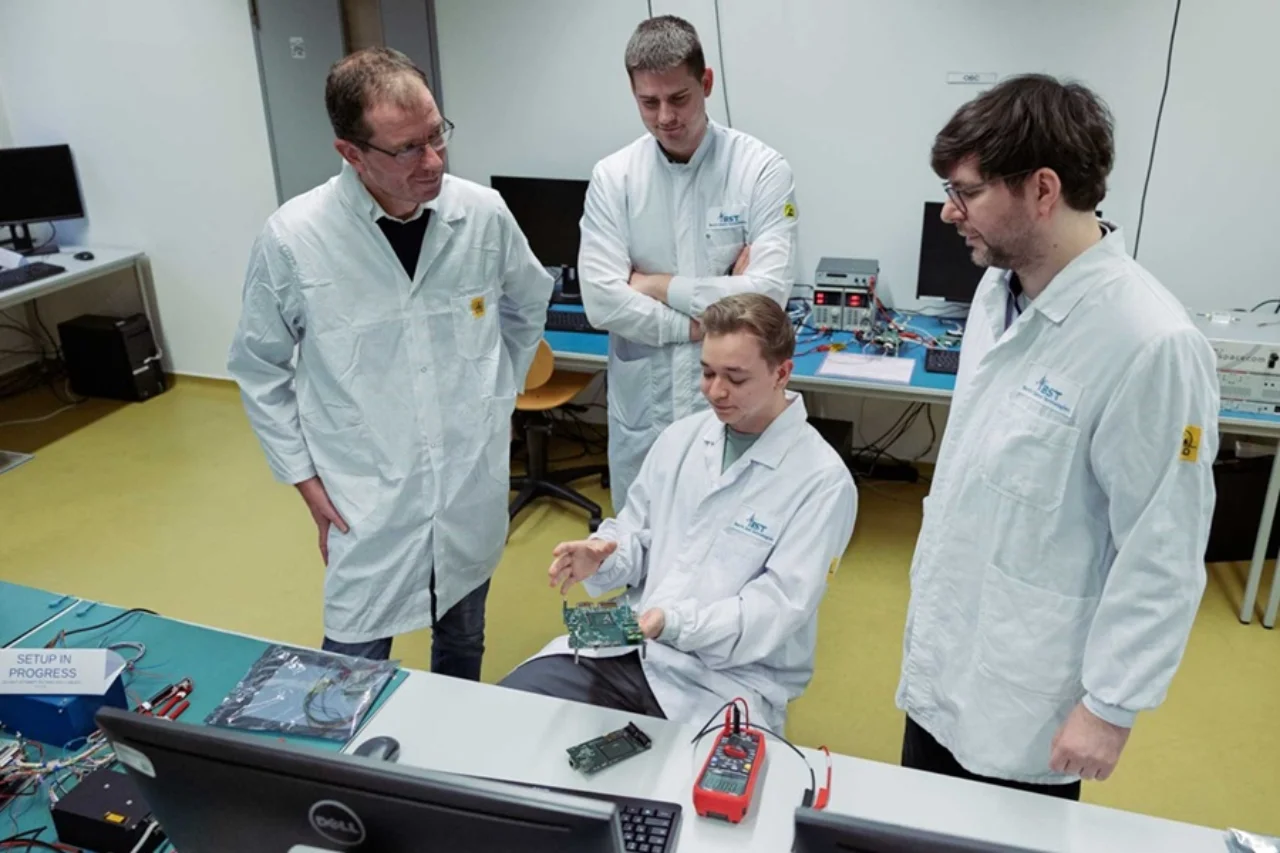
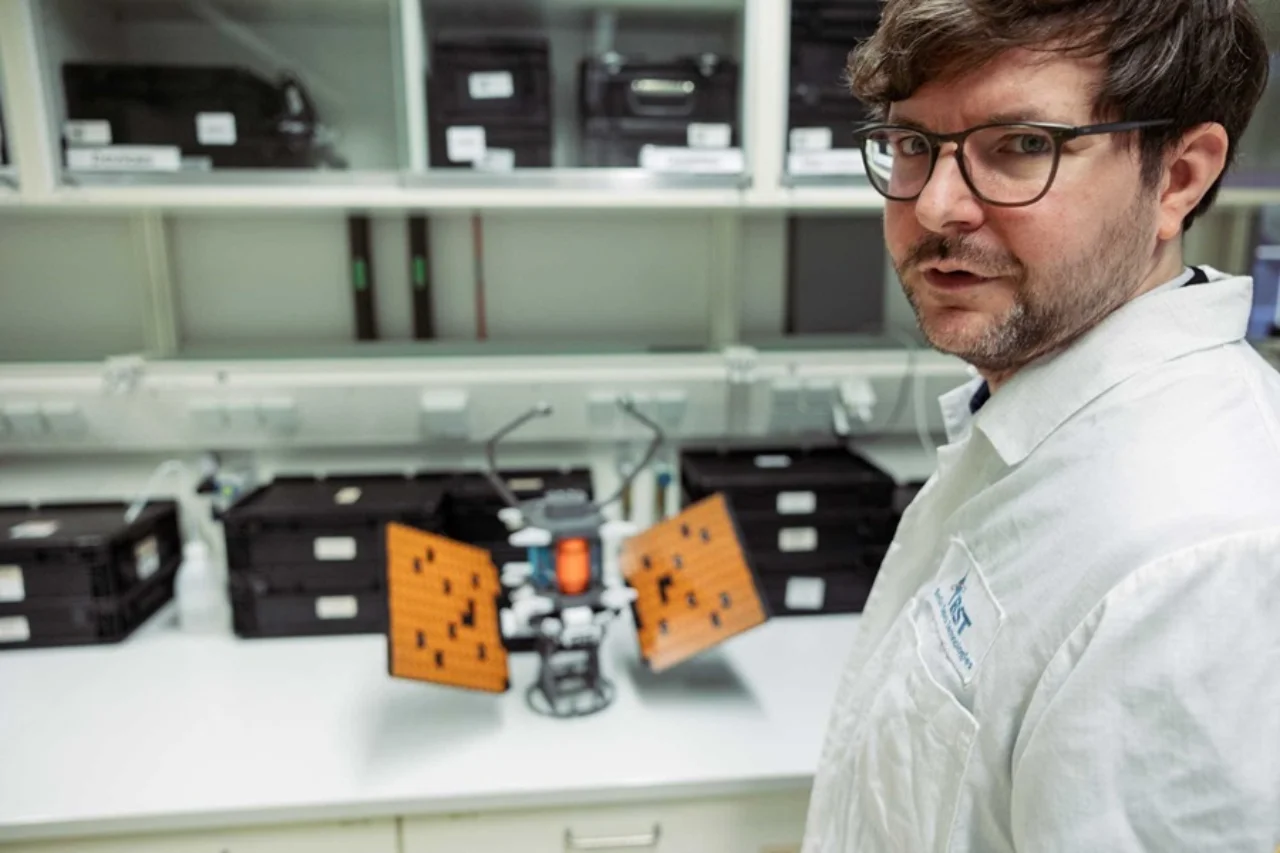
In the BST satellite lab.
"The biggest challenge is the need for personnel. The shortage of skilled workers hits us hard,” Daiberl emphasises. To secure the innovative strength and competitiveness of the European space industry, both experts agree that targeted measures from industry and politics are required – for example, through the promotion of technical education, targeted skilled worker programs, and the establishment of European supply networks.
Outlook: 2035 as a milestone
The cooperation between MBS and BST exemplifies the innovative strength of German SMEs: through cooperation, series production, and Responsive Space, a viable European space ecosystem is emerging – with clear economic added value for companies, industries, and Europe as a business location. For Daiberl, the future is optimistic: "We see ourselves as one of the global players in this environment by 2035.”
MBS and Deutsche Bank
Deutsche Bank played a key role in the 2019 management buyout of MBS led by Co-Owner and Managing Director Christian Fleischhauer. After an initial attempt in 2016 failed due to insufficient collateral and low equity, the company’s strong performance in subsequent years ultimately convinced the bank and it agreed to back MBS despite a high financing volume and challenging collateral conditions.
This confidence was validated over the following years as MBS continued to demonstrate strong growth and solid financial development. As a result, Deutsche Bank was also able to lead all subsequent rounds of investment and acquisition financing. The bank and MBS today maintain a close and trusting partnership.

About Markus Daiberl
Markus was born in Aalen in 1977 and is living near Hamburg since 2010. Since 2022, he is responsible for the New Space division at MBS. The New Space division focuses on new, innovative solutions in the field of space. A highlight was the conception, development, and launch of the first satellite in January 2025. Markus began his career in 2000 in satellite communications, holding several positions before deciding in 2016 to leave satellite communications to dedicate himself to signals intelligence. After six and a half years, he returned to the space sector.
About MBS
MBS is an owner-managed mid-sized German space company operating globally. The company operates full scale responsive space missions and provide space-based applications as-a-service. With over 45 years of experience they operate ground segments in Germany and Europe, provide European launch capabilities and own satellites in orbit.
The focus is on ad-hoc capabilities for in-theatre mission support, covering aspects as mission critical communications, situational awareness and managed gateway services on a global scale. MBSs international government and industry customers trust their quality, integrity and combat proven expertise.
About Tom Segert
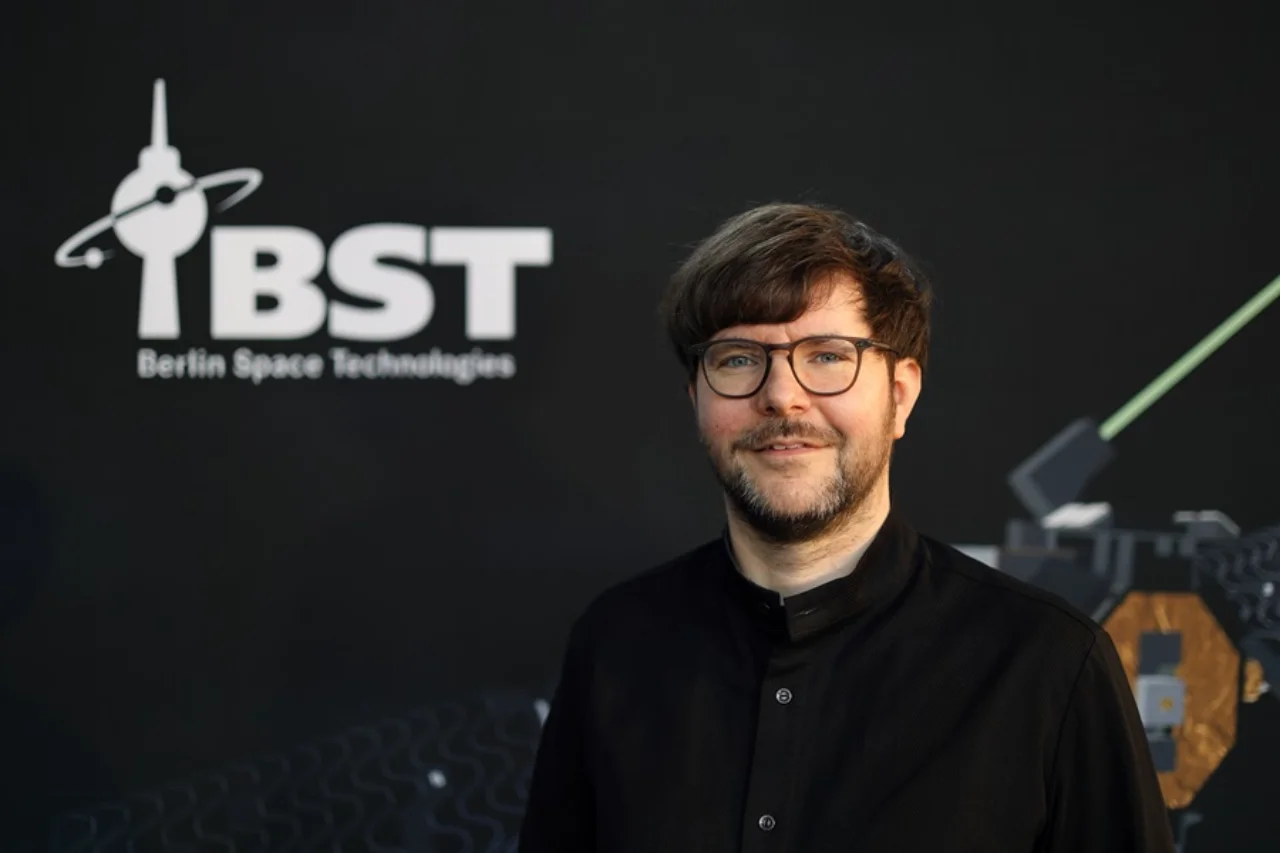
Tom Segert is the CEO and one of the three founders of Berlin Space Technologies. He studied aerospace engineering and has been active in space travel since 2002. In 2010, together with Matthias Buhl and Björn Danziger, he founded BST, which has developed into one of the leading space companies.
About BST
Berlin Space Technologies (BST) is global leader in the mass manufacture of satellite systems and a lighthouse of the German NewSpace Ecosystem.
BST delivers affordable, reliable and proven space systems since 2010. Vertical integration enabled the company to provide hundreds of components and end-to-end space solutions to their international customers.
To extend their sovereign capabilities BST opened the first stage of their new factory in February 2026. The clean rooms for a production capacity of 200+ satellites annually will be added later this year.
This page was published in February 2026.

Maike Tippmann
… was born in the year of the moon landing. For many years, Star Wars was the first thing that came to mind when she thought about space. Today, she is fascinated by how profoundly the space economy already shapes our lives – and by its, quite literally, infinite potential.
Recommended content
Digital Disruption | Opinion
Investing in Orbit: the rise of Europe’s space economy Investing in Orbit: the rise of Europe’s space economy
Europe’s space economy is accelerating – fuelled by rising investment, new markets, and ESA’s push for commercial innovation. Christine Klein explains how.
Investing in Orbit: the rise of Europe’s space economy Discover Europe’s space economy taking off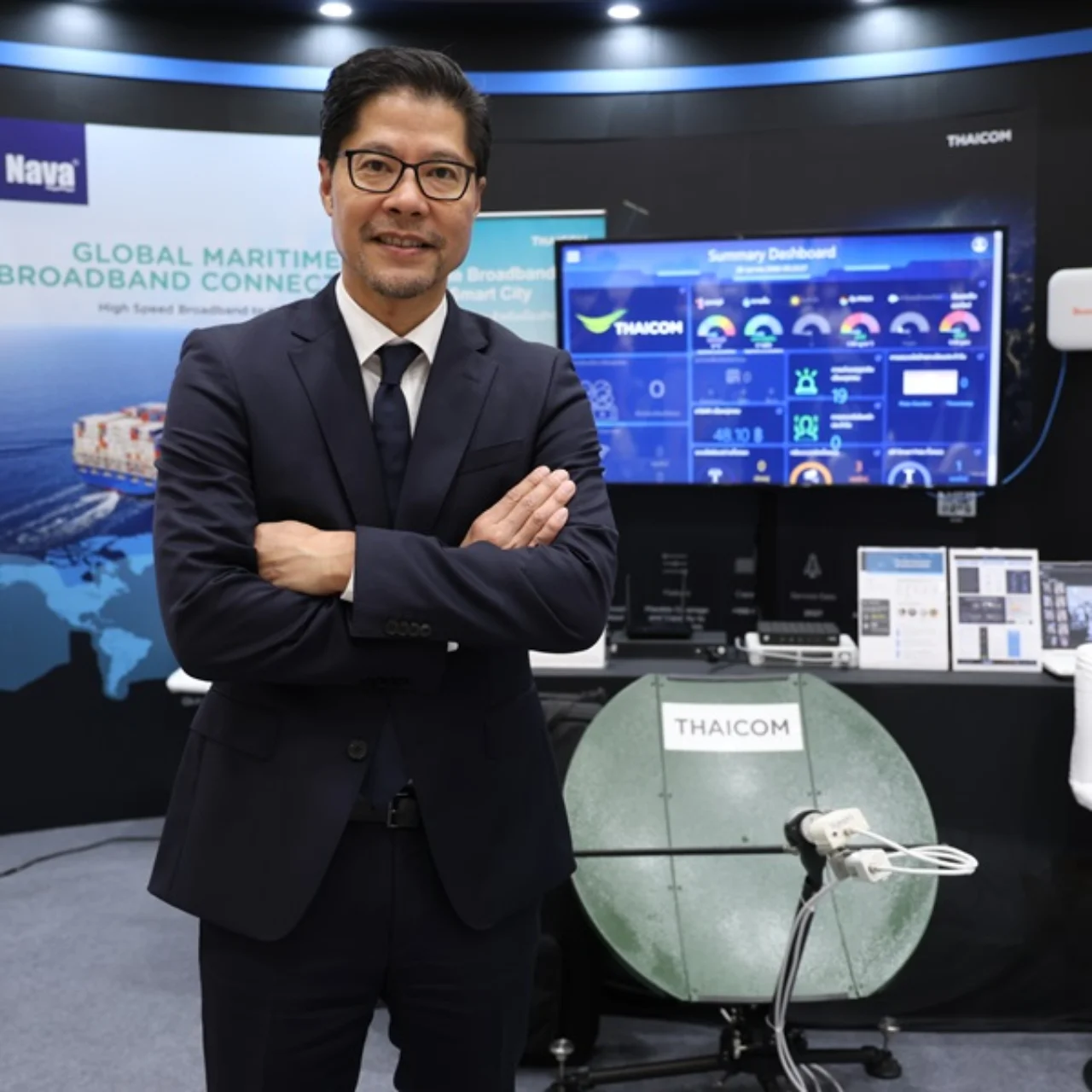
Digital Disruption | Insights
Exploring new frontiers Exploring new frontiers – in space
Thaicom’s CEO Patompob “Nile” Suwansiri sees space tech as key to tackling climate change, disaster response – and securing his company’s future.

Digital Disruption | Interview
Building Europe’s way into space – The Exploration Company’s sustainable approach Europe’s way into space – The Exploration Company’s sustainable approach
Founder Hélène Huby reveals how The Exploration Company’s reusable, launcher‑agnostic capsule and open approach could give Europe cleaner and cheaper access to space.
Building Europe’s way into space – The Exploration Company’s sustainable approach The end of space debris?