
Exploring new frontiers
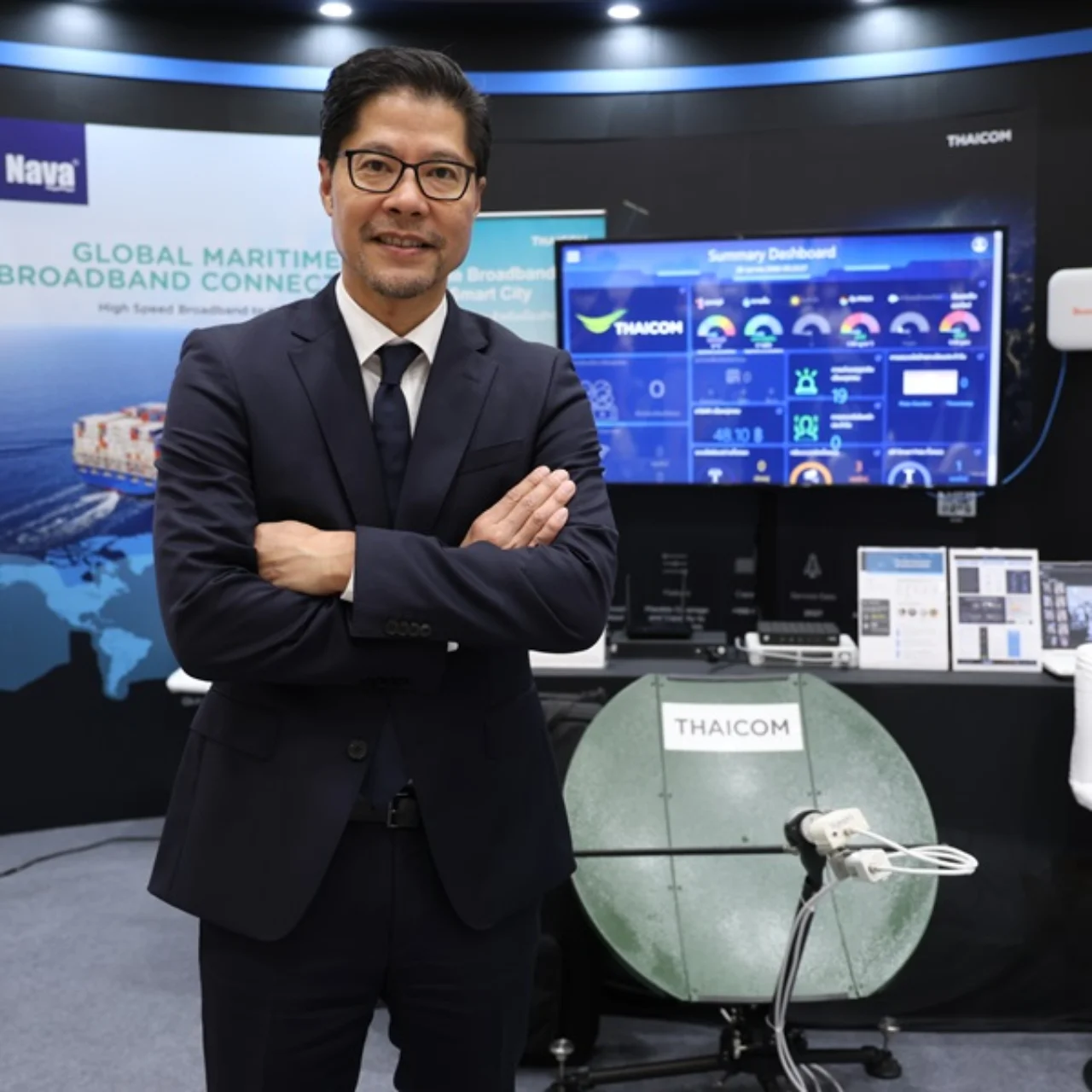
Thaicom’s CEO Patompob “Nile” Suwansiri believes that space technology provides answers to challenges such as climate change, disaster management – and the future of his company.
In the early 1990s, as second generation (2G) mobile technology was flickering to life, a young engineer named Patompob “Nile” Suwansiri stood at a crossroads. Fresh out of engineering college in New Zealand, Nile hadn’t planned to return to Thailand. But the lure of satellites, rockets and the promise of building something transformative for his homeland proved irresistible.
We are using technology to create value for the greater good of the country.
Three decades later, Nile sits at the helm of Thaicom, Thailand’s flagship satellite operator and a regional space tech innovator. At the company’s 34th anniversary, he rallied his 300 employees, saying: “We are using technology to create value for the greater good of the country.” But in a country where technological advantage is fleeting and global competition is fierce, can good intentions keep Thaicom in orbit?
Staying in orbit
Thaicom, a leading Asian satellite operator and space technology company, operates in a rapidly growing market. According to Grand View Research, the satellite communication market in Asia Pacific is expected to double from 21.4 billion US dollars in 2024 to 39.7 billion US dollars by 2030.
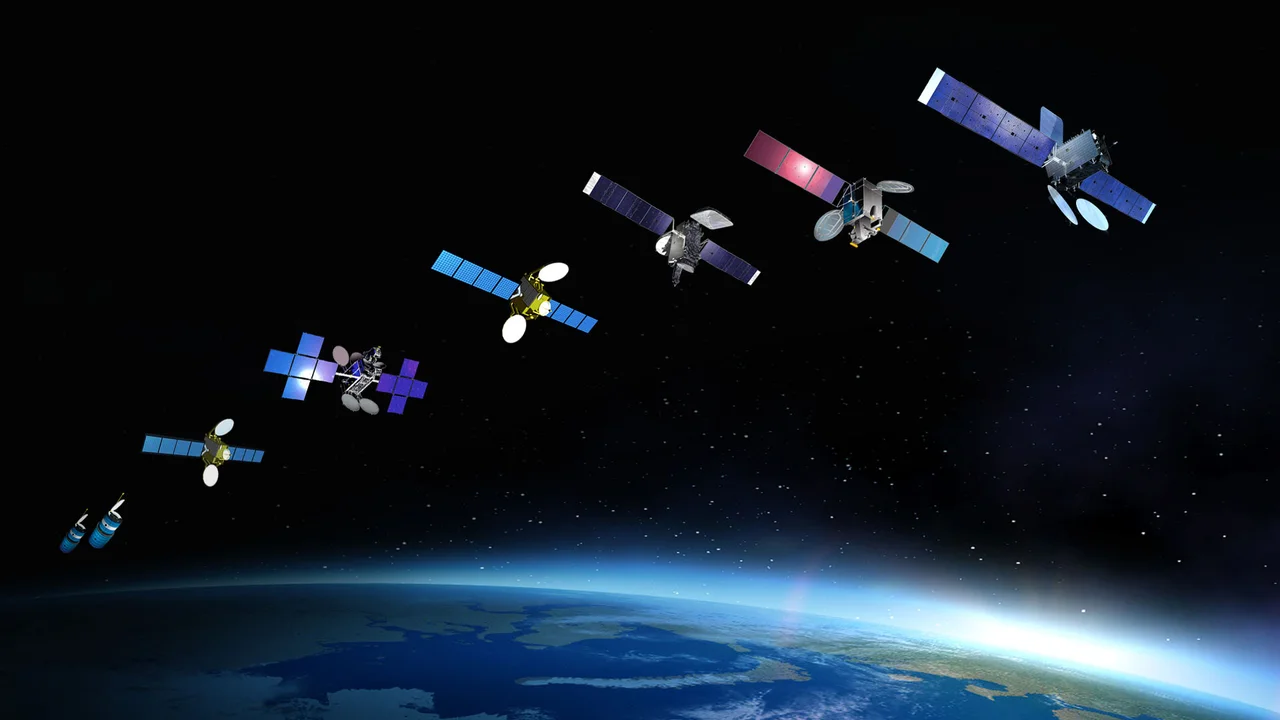
Satellites over Earth - a simulation.
The region’s mountains, islands, and vast rural expanses are blind spots for terrestrial telephone connectivity. It is in these blind spots that Thaicom is making a deep impact. Its last annual report cites the story of a person from a remote Thai village whose son was saved because he could call an ambulance in time.
Additionally, projects such as “Technology for Lifelong Education”, supports online education by providing high-speed internet access to people in remote areas where mobile phone signals are inaccessible. Under this initiative, in 2024, over 6,000 people and 1,620 households benefited from satellite internet.
Terrestrial internet connectivity will keep increasing, but it will never reach 100 percent. And consumers everywhere will keep increasing their demand for broadband connectivity.
Alongside satellite broadband, broadcasting is another of Thaicom’s traditional businesses, which, when combined, contribute around 90 percent to the company’s top line. Nile considers this business Thaicom’s “bread and butter.”
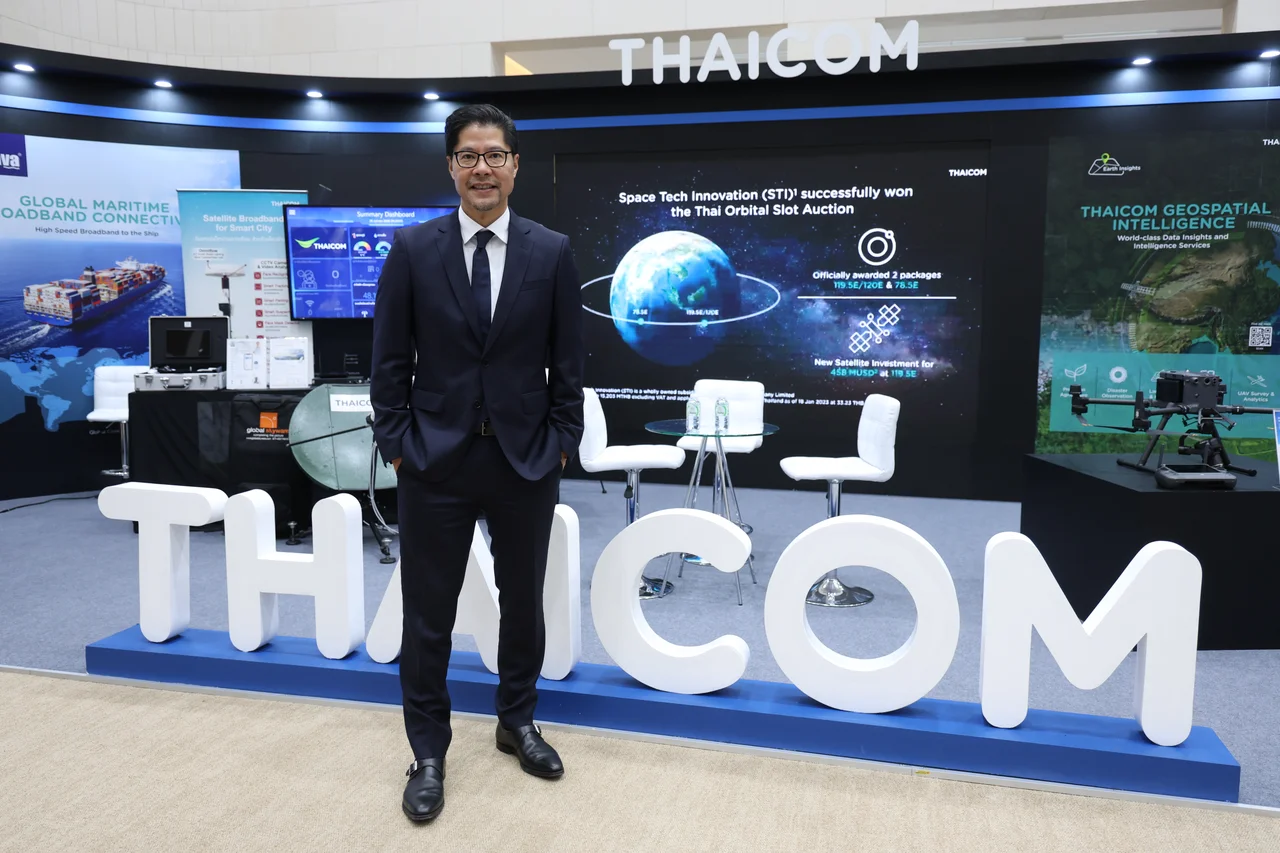
Patompob "Nile" Suwansiri, CEO of Thaicom
But as user preference shifts from satellite television, to streaming services, which are accessible almost anywhere, with an internet connection and a portable device such as a mobile phone, the question remains: will this business mix continue to work for Thaicom? Nile thinks so. “Terrestrial internet connectivity will keep increasing, but it will never reach 100 percent. And consumers everywhere will keep increasing their demand for broadband connectivity.”
Exploring new horizons
At the same time, Nile has begun trying to reshape Thaicom’s revenue mix. He sees a significant opportunity in space technology, particularly in geospatial intelligence. This means using innovative technologies like artificial intelligence and data analytics to gain actionable insights from Earth observation satellites.
The World Economic Forum (WEF) estimates the Earth Observation industry will surpass USD 700 billion by 2030, with the Asia-Pacific region expected to capture over 40 percent of this. The WEF estimates that these insights and subsequent interventions could cut global greenhouse gas emissions by over two gigatons of greenhouse gases annually, which equates to approximately 3.6 percent of annual global emissions today.
Over the past few years, Thaicom has been active in seizing this opportunity. Its “Earth Insights” programme has been using satellite sensor data to provide several benefits to society in areas such as farming and climate change.
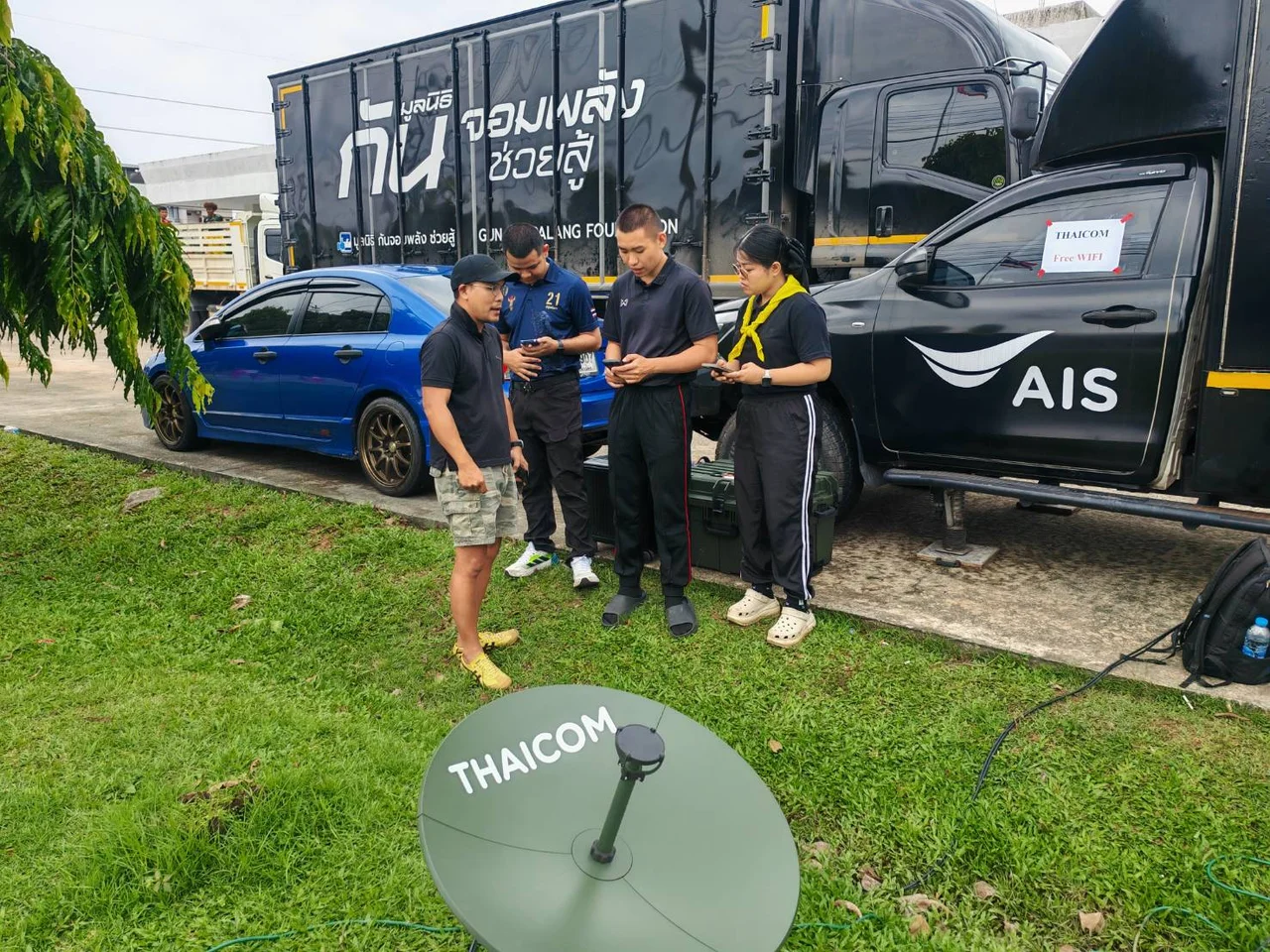
Disaster recovery support using Thaicom satellite terminals in flood-affected areas of Songkhla province, Southern Thailand
Explaining its use in insurance claims from farmers, Nile explains, “Traditionally, insurance claims for disasters like floods or droughts involved farmers taking pictures, insurance companies verifying the paperwork before finally settling claims in about six months. Now, by analysing satellite imagery, we can swiftly confirm which plots are actually affected. This not only enables faster and more reliable payouts but also moves Thailand’s insurance industry toward a more data-driven model.” Out of the 10 million hectares of rice paddies in Thailand, Thaicom has covered 2 million hectares.
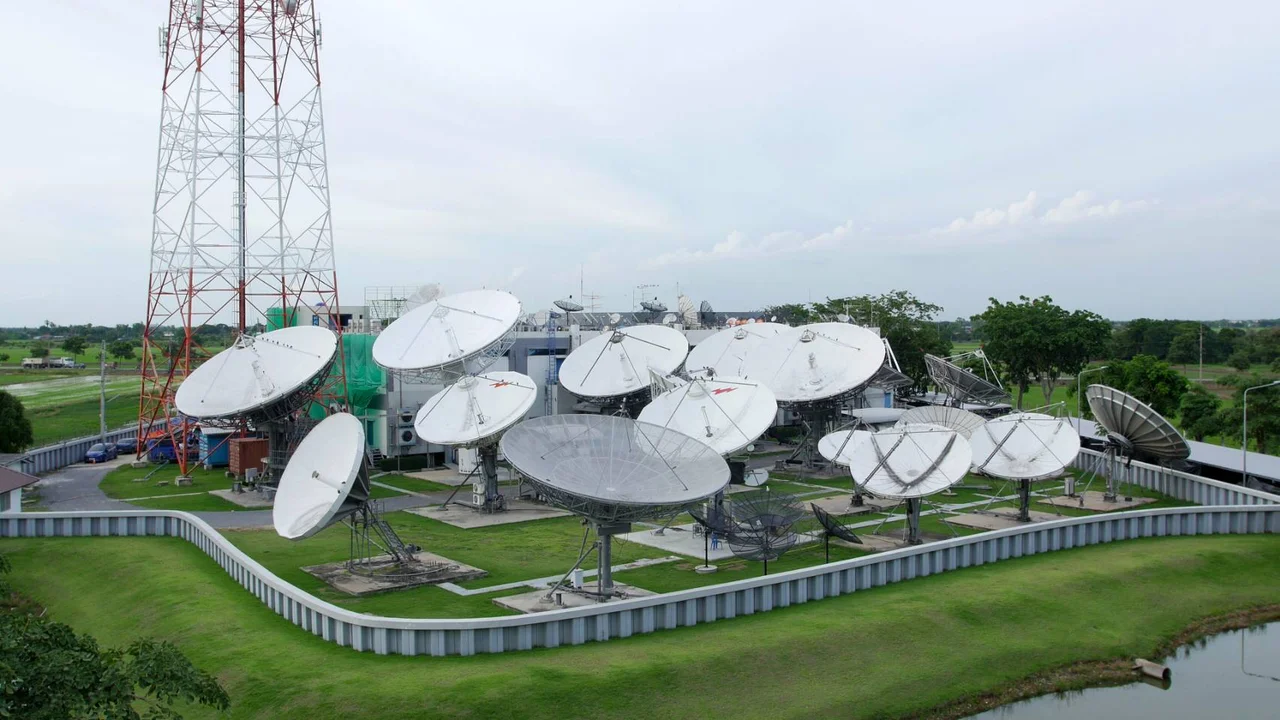
Thaicom’s ground facilities at Thaicom satellite station in Lat Lum Kaeo district, Pathum Thani, Thailand.
Another example is the CarbonWatch platform, which provides a scientific alternative to carbon credit measurement. Prior to using satellite data, people would need to go to a part of a forest to take measurements of trees and extrapolate that to measure carbon absorption. Now, by analysing satellite data, they can cover millions of hectares and provide insights with over 90 percent accuracy.
Stellar recognition and achievements
These efforts are paying off. Thaicom’s methodology is the first in Thailand to be certified by the country’s Greenhouse Gas Management Organisation under its voluntary emission reduction programme.
It has also received the “Highly Commended Sustainability Awards” category for Sustainability Excellence for two consecutive years (2024 and 2025) from the Stock Exchange of Thailand (SET) and a “AAA rating” for the second consecutive year in the SET ESG Ratings for 2024, with the highest scores in the Information & Communication Technology sector.
The trajectory to success
Nile believes that the diverse business applications of Earth Insights could help change Thaicom’s revenue mix, contributing up to 30 percent in the coming years and reducing their reliance on the capex-intensive business of sending satellites into space. The path, however, may not be easy.
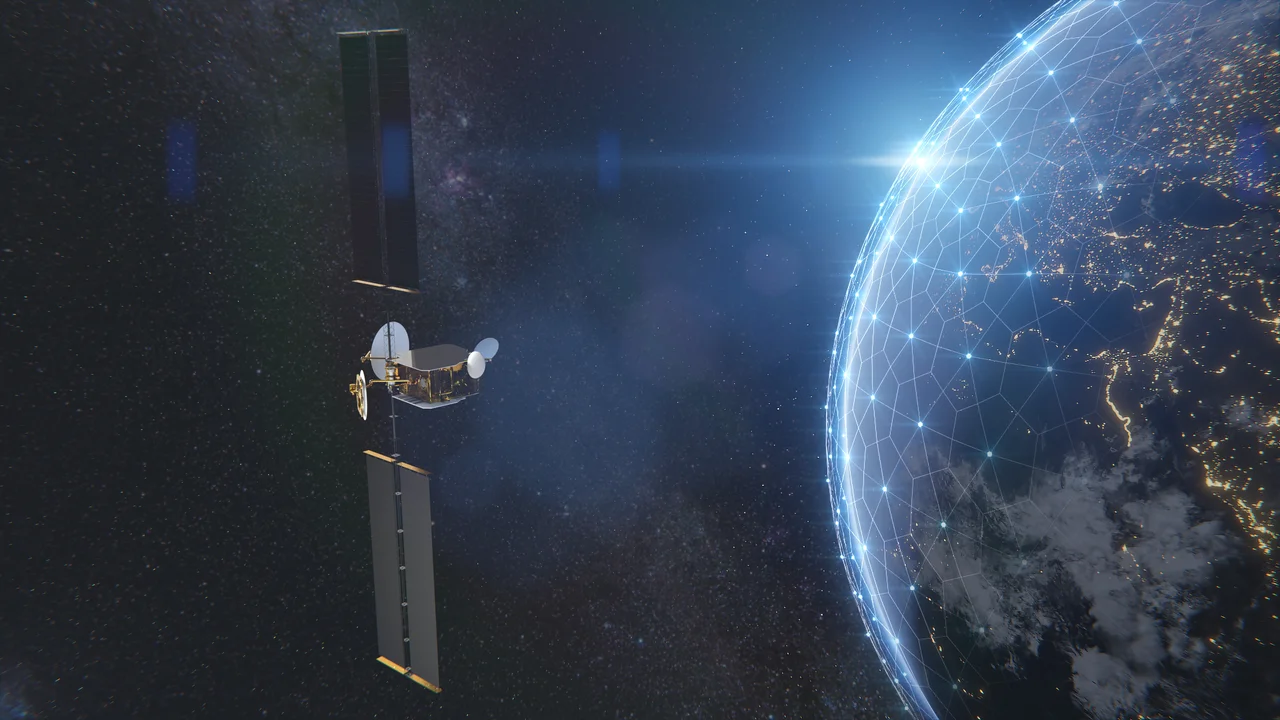
Thaicom satellite over earth - a simulation
The primary consumer of satellite sensor data is governments, which can be slow to make decisions, Nile explains: “To win these contracts, we have to start with small proof-of-concept projects, gradually building trust and scaling up.” He is willing to be patient because the data they analyse is crucial for policy and decision-making. Since this data changes frequently due the underlying weather conditions, he adds: “I believe our clients will consider subscribing to our services, providing Thaicom with a recurring revenue stream.”
Alongside the government, Thaicom is also dependent on partnerships with private enterprises for its success. One example is its partnership with Paris-headquartered Eutelsat Communications for the THAICOM 10 satellite, which is expected to be launched in 2027. Deutsche Bank is a co-financier for this project, helping Thaicom secure a $184 million export credit facility.
Along with Eutelsat, Thaicom has partnerships with several global enterprises, such as the US’s SpaceX and India’s Hughes Communications India (HCI), for satellite launch and capacity leasing.
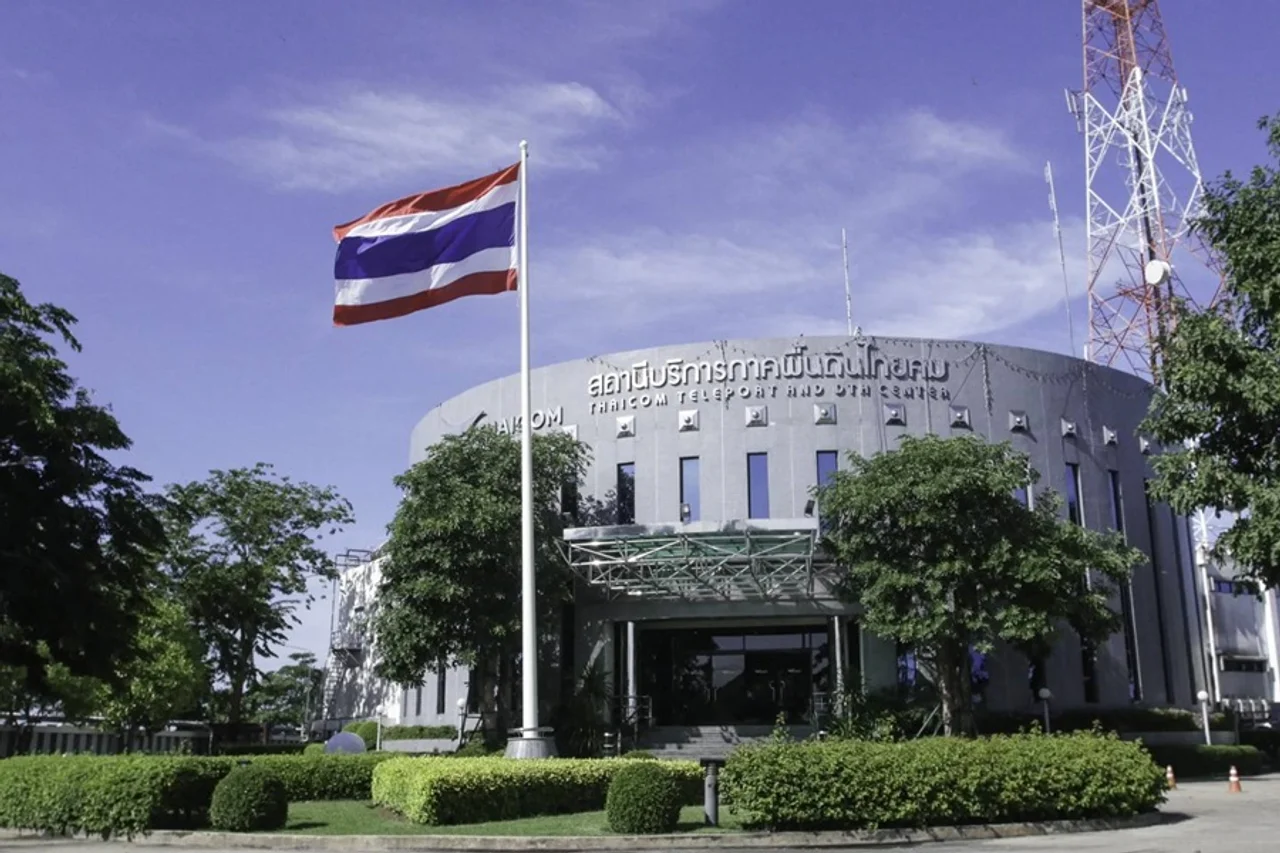
Thaicom Satellite Station, Pathum Thani province, Thailand
A galactic vision for Thailand
Alongside these partnerships, Nile is unequivocal that the government plays a crucial role in nurturing Thailand’s space economy sector. He advocates for a stronger research, development, and innovation environment in the country, which means developing human capital by investing at the high school and college level. He also cautions against overreliance on technology imports from abroad: “Otherwise, we just import everything, and at the end of the day, we're just like a broker.”
If Thailand is serious about it, then we can be a major player on the world stage. With the right mix of policy support, strategic investment, and a focus on building local expertise, we can leapfrog into a new era of innovation and sustainable growth.
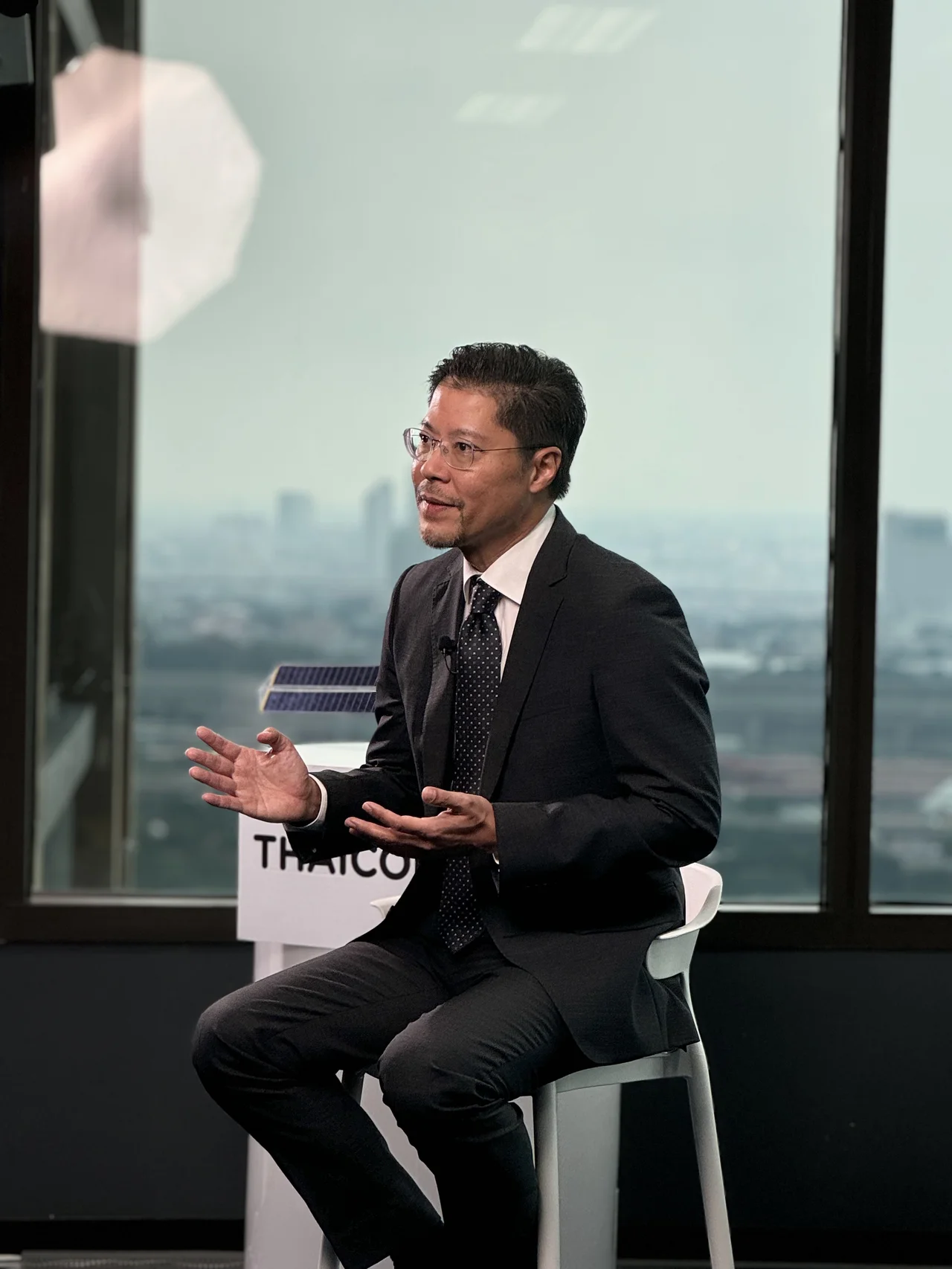
Patompob "Nile" Suwansiri
While the US and China will continue to dominate the overall satellite space, Nile believes that Thailand, and in turn Thaicom, can capitalise on the transformative potential of space technology. He sees his company at the starting line with global peers. “If Thailand is serious about it, then we can be a major player on the world stage. With the right mix of policy support, strategic investment, and a focus on building local expertise, we can leapfrog into a new era of innovation and sustainable growth.”
Thaicom and Deutsche Bank
In mid-2025, Deutsche Bank successfully closed a USD 184 million export credit facility for Space Tech Innovation (STI), a subsidiary of Thaicom. The facility is guaranteed by the French Export Credit Agency (ECA), Bpifrance Assurance Export.
Under the agreement, Deutsche Bank and Standard Chartered will provide STI with a 14-year USD 184 million loan for the development of the THAICOM 10 Satellite project. The loan will finance STI’s commercial contract with France’s Airbus Defence & Space to manufacture the new Software Defined High Throughput Satellite (SD-HTS).
About Thaicom
Thaicom Public Company Limited is a leading Asian satellite operator and regional space technology company. Established in 1991, Thaicom leverages its expertise in the satellite industry to provide comprehensive end-to-end satellite communications services.
With proven track records as the pioneers in broadband and broadcast services in Asia, Thaicom developed and launched IPSTAR (Thaicom 4), the world’s first High Throughput Satellite (HTS), as well as providing Asia’s first Ku-band Direct-to-Home (DTH) broadcasting. As the leading regional space tech company, Thaicom leverages data from space, bringing GEO or non-GEO technology to capture new services.
The company is dedicated to building on our commitment to empowering people with Innovative Space Technology for a better life.
This page was published in February 2026.
Ashish Saldanha
… is excited about exploring how space can provide answers to some of the most pressing concerns for mankind. In his day job he works as a communications specialist for Deutsche Bank’s Technology, Data & Innovation division.
Recommended content
Digital Disruption | Insights
Private space race accelerates: Innovation opens the final frontier Private space race accelerates: Innovation opens the final frontier
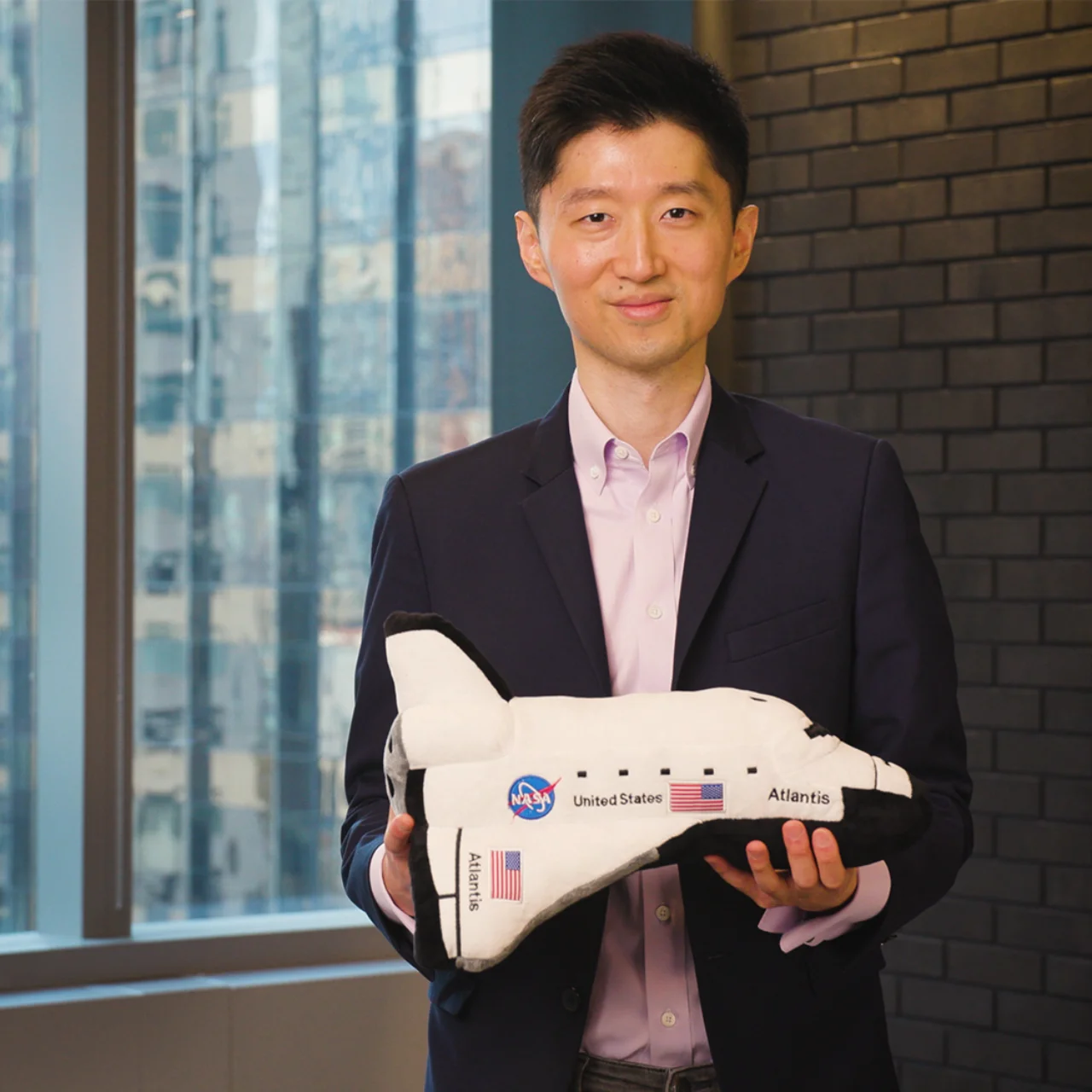
Space was once the dream of nations, now it’s the ambition of innovators. Watch 99 seconds with space economist Edison Yu.
Private space race accelerates: Innovation opens the final frontier Uncover race to space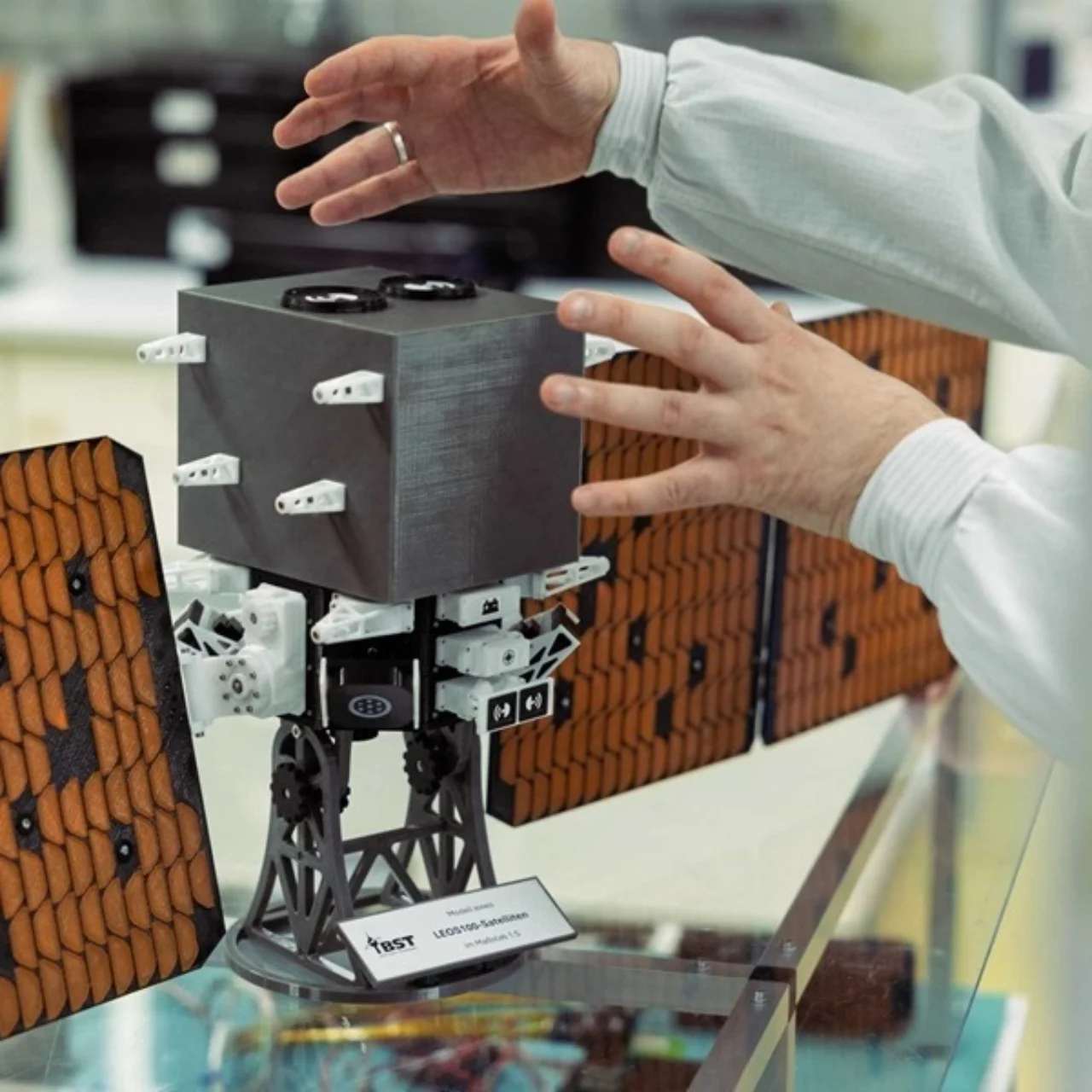
Digital Disruption | Video Story
End-to-end: space travel from a single source End-to-end: space travel from a single source
With the rise of the “New Space Economy,” SMEs and start-ups such as MBS and BST are entering the stage – bringing a breath of fresh air into a multi-billion-dollar market.
End-to-end: space travel from a single source Satellites off the assembly line?
Digital Disruption | Interview
“The truth comes from space” “The truth comes from space”
Space technology as a mass market, a Europe‑wide ecosystem for innovation – and minute‑by‑minute thermal images of the Earth: Thomas Grübler from OroraTech shares insights on the satellite and space data industry’s growth.
“The truth comes from space” Why orbit data is becoming a game changer