
Europe’s plasma challenge: how Grifols contributes to advancing plasma self-sufficiency
Blood plasma is essential for producing lifesaving medicines – but Europe faces a shortage. A Spanish multinational pharmaceutical company is supporting countries in their efforts to strengthen their plasma self-sufficiency. That will take not just more blood donations, but also long-term investment.
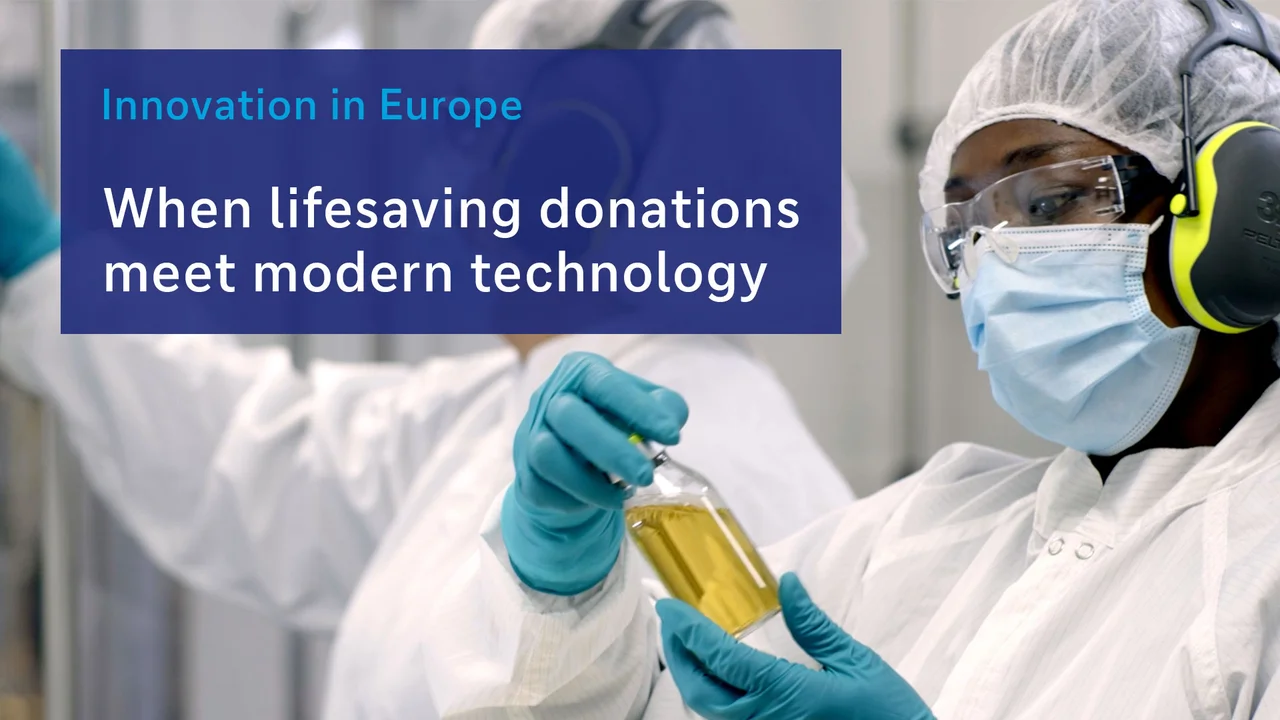
Video: When lifesaving donations meet modern technology
3 key take aways
- Europe’s dependence on plasma imports creates a strategic supply risk.
- More donations must be matched by technology and manufacturing capacity.
- Long-term financing helps companies scale research, production and international operations.
Millions of people worldwide rely on plasma-derived medicines to treat immune deficiencies, rare neurological conditions, bleeding disorders and other serious illnesses. Unlike many medicines, they cannot be produced synthetically: the essential raw material, plasma, is the liquid component of human blood. Without enough donors, there is not enough plasma to make these medicines.
Turning a blood donation into a finished medicine is a lengthy, complex process that can take months. The plasma is tested and separated into its components before medicines can be manufactured, checked and finally distributed.
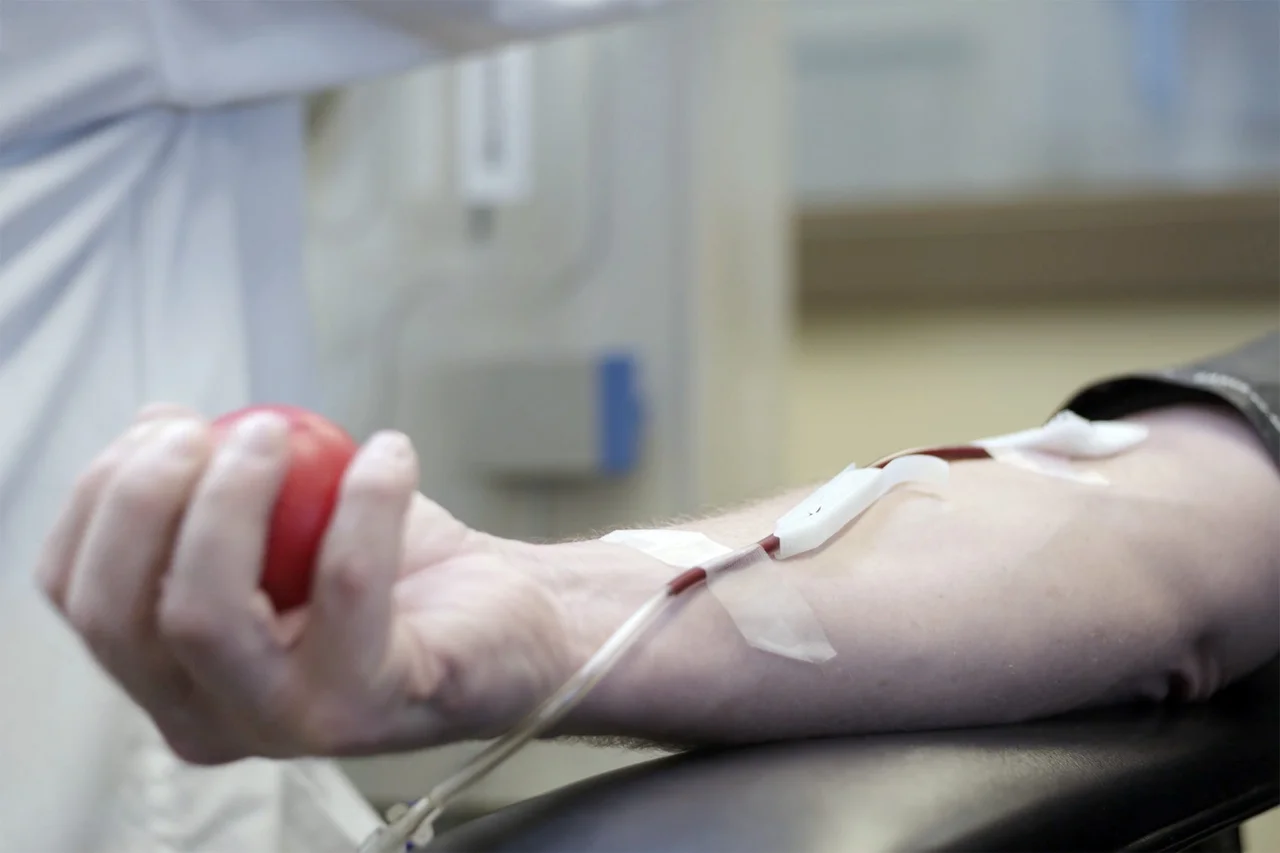
Blood transfusion to collect plasma
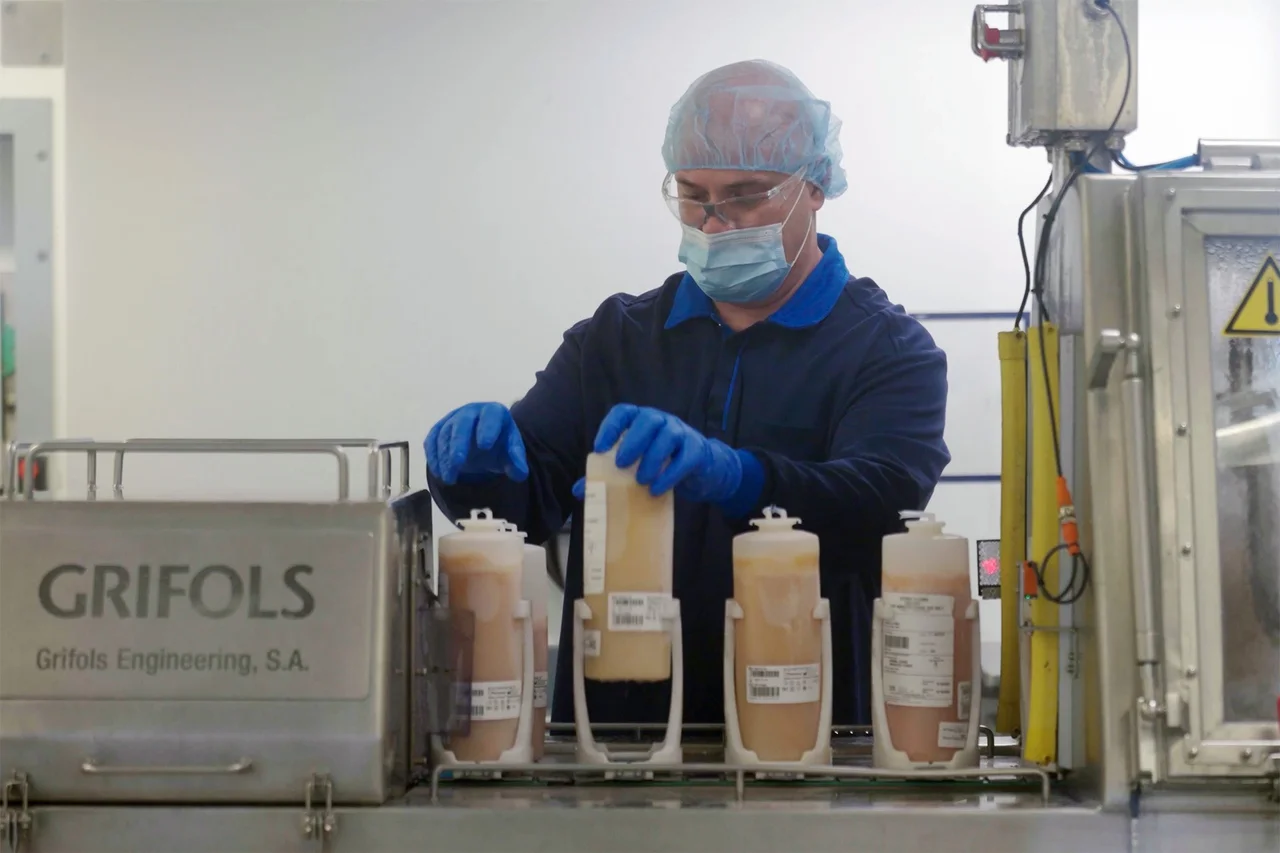
Production of plasma derived medicines
From a small laboratory to an international manufacturer
Grifols was founded in Barcelona in 1909 and has spent more than a century working in transfusion medicine and plasma-derived therapies. In 1928, Josep Antoni Grifols i Roig performed one of Spain’s first indirect blood transfusions. Over the following decades, the company developed new plasma-collection techniques and invested in research and manufacturing.
Today, Grifols is one of the largest producers of plasma-derived medicines worldwide, with close to a 30 percent market share and more than 400 donation centers, supplying essential medicines to patients in more than 110 countries. The company has experienced significant growth over the past 20 years, becoming strategically important to key countries worldwide thanks to its production capacity and international network of centers.
From donor to medicine
Grifols has an integrated value chain that spans plasma collection and testing through its processing and transformation into plasma-derived medicines, alongside the research and development of new therapies. This gives the company greater control over quality, capacity, and supply at every stage.
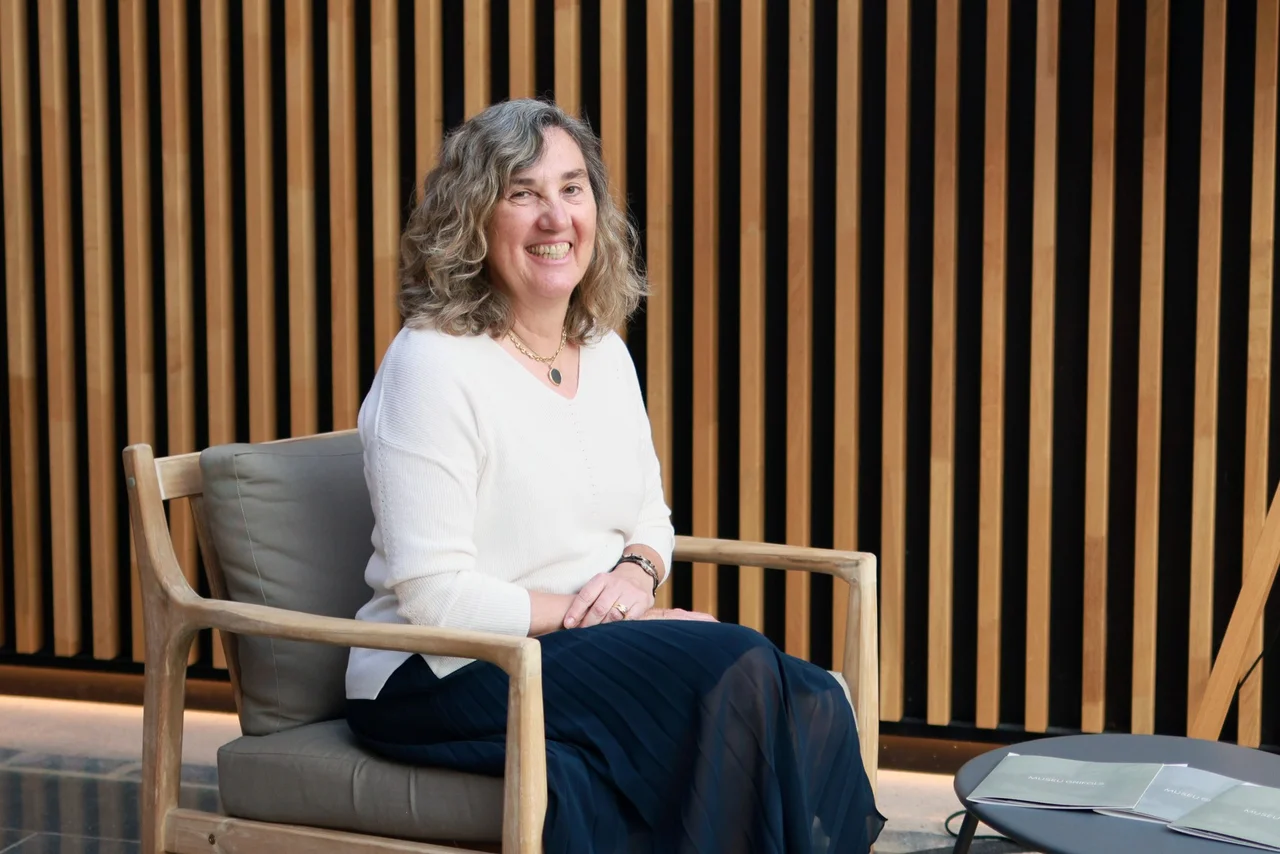
The connection between donor and patient remains at the heart of the company. What has changed is the new technology available.
The strategic value of self-sufficiency
Europe's reliance on plasma imports carries risks: changes to regulations in major supplier countries or disruption to international supply chains could interrupt supplies. How can Europe reduce this dependence? Pascual highlights the importance of diversifying plasma sources and moving towards greater self-sufficiency.
Strengthening the supply of essential plasma-derived medicines requires diversification of plasma sources, a reliable supply chain, sufficient manufacturing capacity and long-term investment.
For a company supplying essential medicines to patients in more than 110 countries, financing investment is only part of the challenge. It must also navigate different currencies, laws and regulations.
What are plasma-derived medicines?
They are medicines manufactured from human blood plasma, the liquid component of blood. They are used to treat immune deficiencies, rare neurological conditions, bleeding disorders and other serious illnesses, and the plasma required to make them cannot be produced synthetically. For more information watch this space: What Medicines Are Made From Plasma?
Growth needs long-term financing
Research and development take years, and manufacturing facilities require substantial capital investment. Deutsche Bank has worked with Grifols since the early 1990s. Over that time, it has supported the company by providing capital and helping it manage its international business.
We support Grifols with access to global capital markets and banking solutions that help it operate and grow sustainably in a changing international environment.
For a company supplying essential medicines to patients in more than 110 countries, financing investment is only part of the challenge. It must also navigate different currencies, laws and regulations.
A more resilient future
Grifols’ story thus points to a broader challenge for Europe. World-class research alone is not enough to secure the supply of essential medicines. Innovations need to be able to be manufactured on an industrial scale. Building a more resilient supply therefore requires action on several fronts.
The question is not just which new therapies Europe can develop. It is also whether the continent can create the conditions to manufacture them itself over the long term. Europe needs more companies that can turn specialist expertise into businesses of global scale, and long-term partners to support that journey.
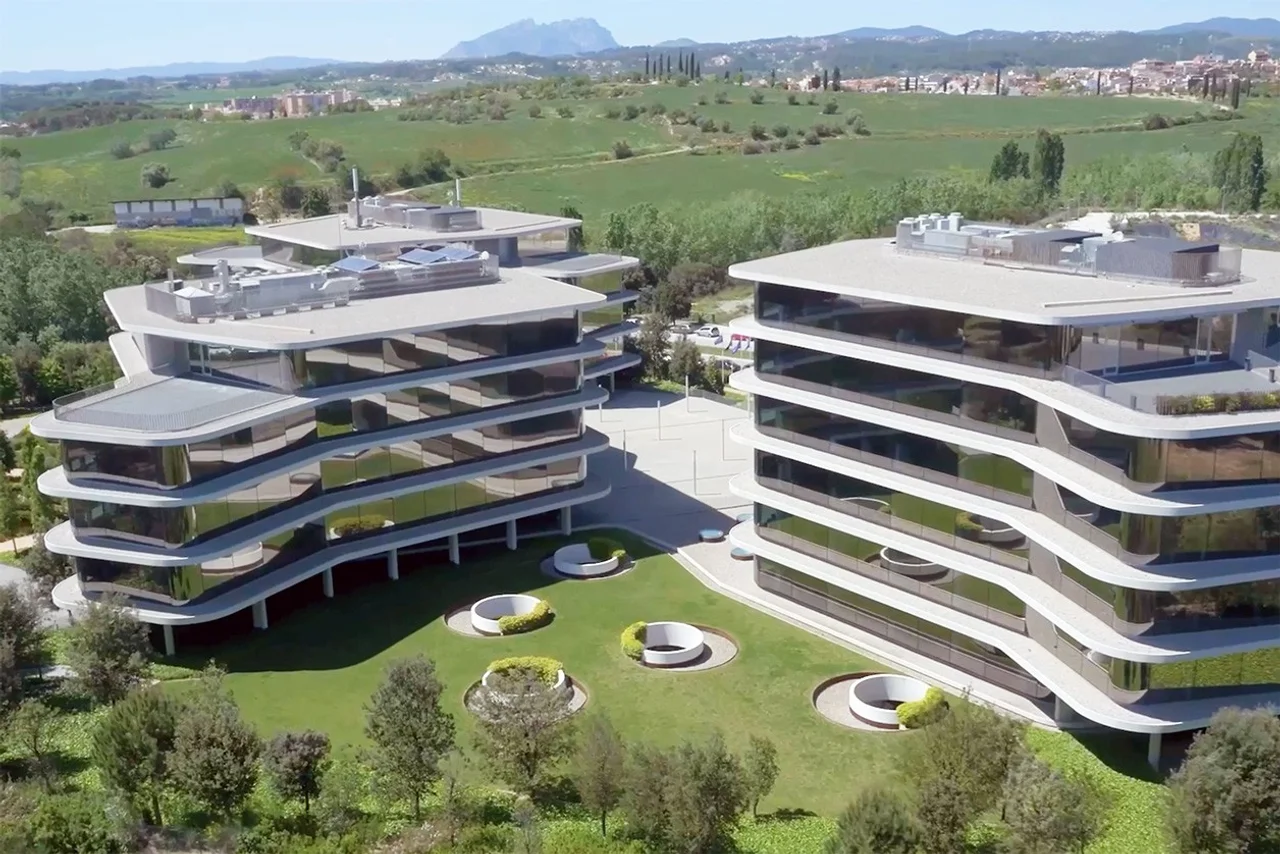
About Grifols
Grifols is a global healthcare company founded in Barcelona in 1909. It develops and produces plasma-derived medicines and other healthcare solutions for patients worldwide. Its work spans plasma collection, research, manufacturing and distribution.
Deutsche Bank and Grifols
Deutsche Bank has worked with Grifols since the early 1990s, supporting the company with access to capital, global capital markets and banking solutions for its international operations.
About Deutsche Bank and Europe
Europe is more than a market. It's a space for ideas, growth, and collaboration.
Deutsche Bank shows where European companies are already setting standards today – and how capital, expertise and networks help to seize opportunities across borders.
As a European bank with a global network, we connect companies and investors: from Europe to the world and from the world to Europe.
How do investors and business leaders outside Europe perceive the continent, its potential and the growth opportunities it offers for their businesses? Find out in our latest survey: Global Sentiment Survey on Europe 2026
This page was published in November 2026.
Sofía Labastida
… works in Communications at Deutsche Bank in Spain. She is passionate about Europe and believes we need to keep strengthening what makes it a great place to live. She is particularly interested in technology and healthcare advances and their impact on society.
Recommended content
European Success Stories | Opinion
“The wave of modernisation has got off to a good start” “The wave of modernisation has got off to a good start”
Europe needs to invest massively. Hauke Burkhardt explains how the public sector and private capital can jointly drive modernisation forward.
“The wave of modernisation has got off to a good start” Invest five minutes
European Success Stories | Opinion
“We install the largest wind turbines that exist today” “We install the largest wind turbines that exist today”
The North Sea has the potential to become a green power plant for Europe – despite huge challenges. About the benefits of Europe and wind energy.
“We install the largest wind turbines that exist today” Wind of change with Jan de Nul
European Success Stories | Opinion
“This cross-border cooperation is a genuine advantage.” “This cross-border cooperation is a genuine advantage.”
UnternehmerTUM from Munich is one of Europe's leading start-up centres. CEO Helmut Schönenberger reveals the secret.